PIN Amplified Photodetector Modules
Amplified PIN photodetectors combining photodiode and transimpedance amplifier in compact modules — fiber-coupled and free-space options from kHz to 1 GHz, Si and InGaAs, for DVS/DAS receive paths, RF-over-fiber, gas sensing, fluorescence and general optical test & measurement.
- 400–1700 nm Si, InGaAs & specialty bands
- kHz – 1 GHz From DC to high-speed AC
- Built-in TIA 50 Ω SMA output standard
- Fiber & free-space FC/APC or benchtop input
PIN Photodetector Products by Application
Fiber-Coupled PIN Amplified Photodetectors
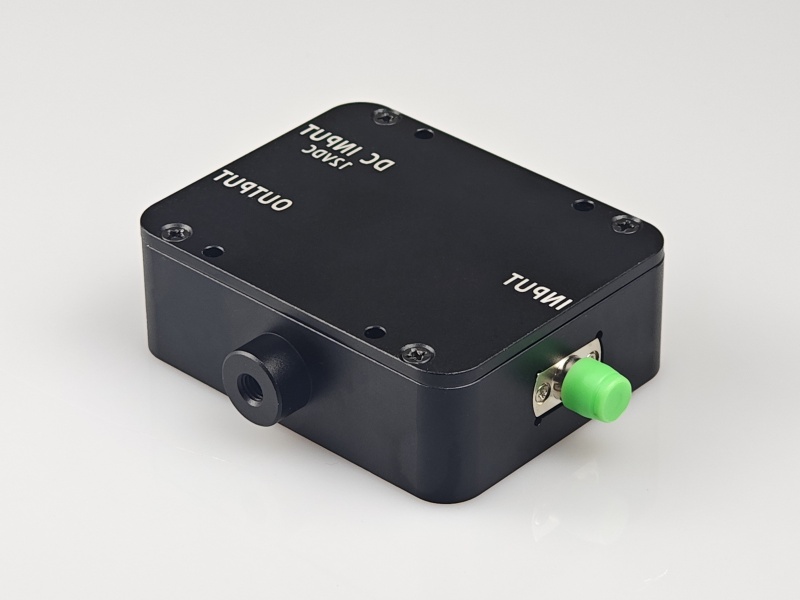
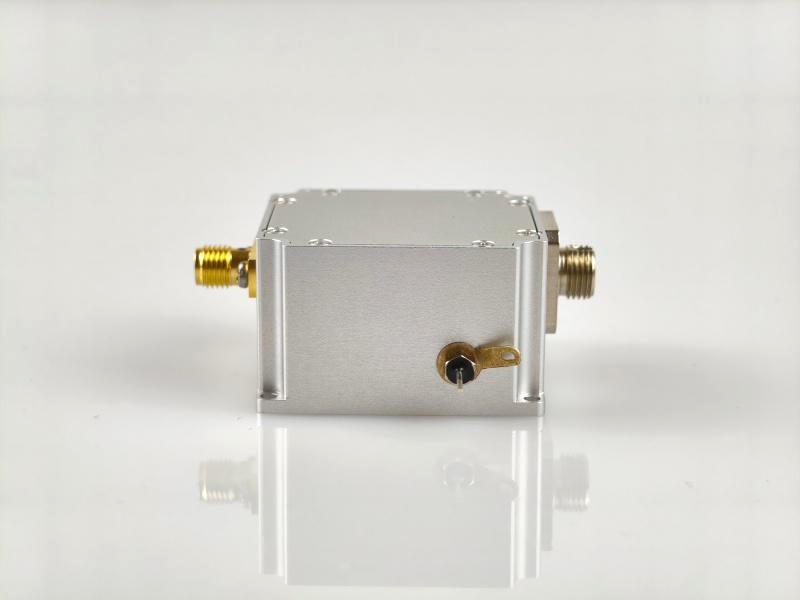
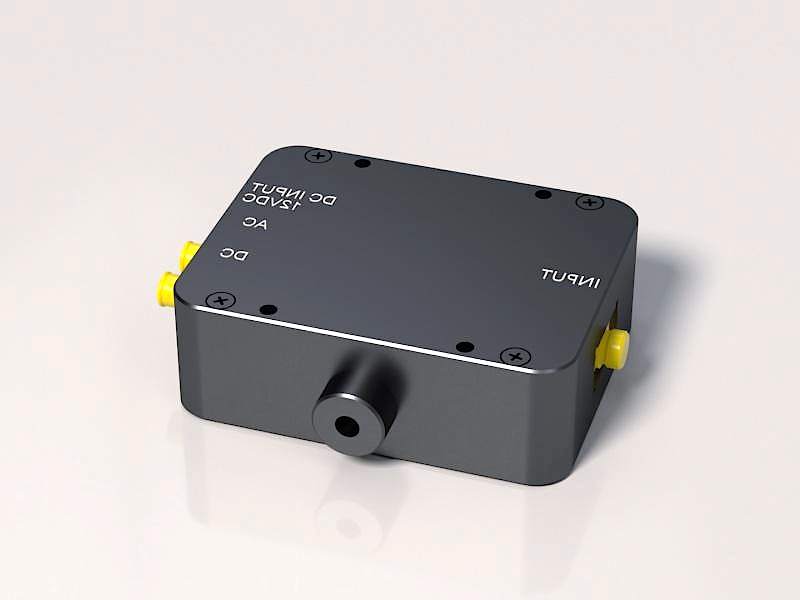
FC/APC or FC flange input modules for fiber sensing, optical communications and ROF links — from broadband PD12 (400–1700 nm, kHz–1 GHz) to GHz-class InGaAs receivers (PD11) and dual AC/DC output (PD13).
Free-Space Amplified PIN Photodetectors
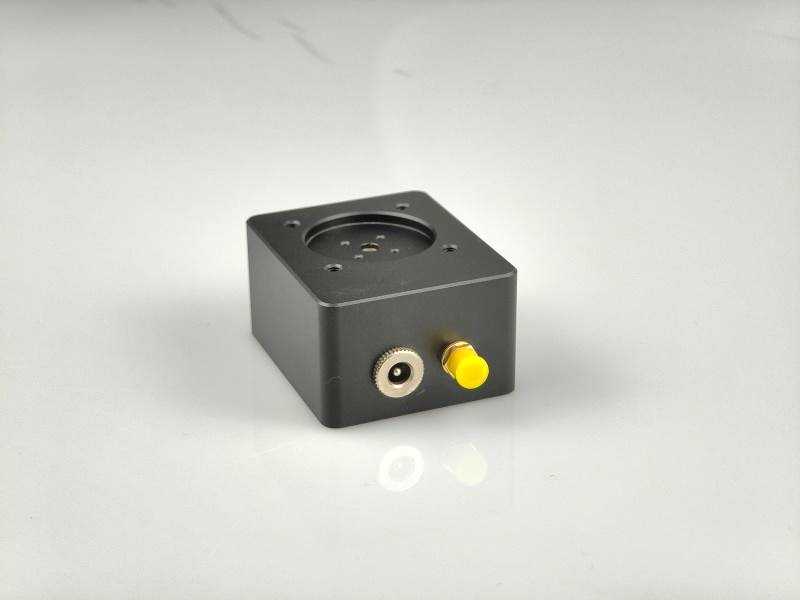
Benchtop and cage-system photodetectors with integrated amplification — compact housings for general lab use, large-area visible detection, and wide photosensitive area applications.
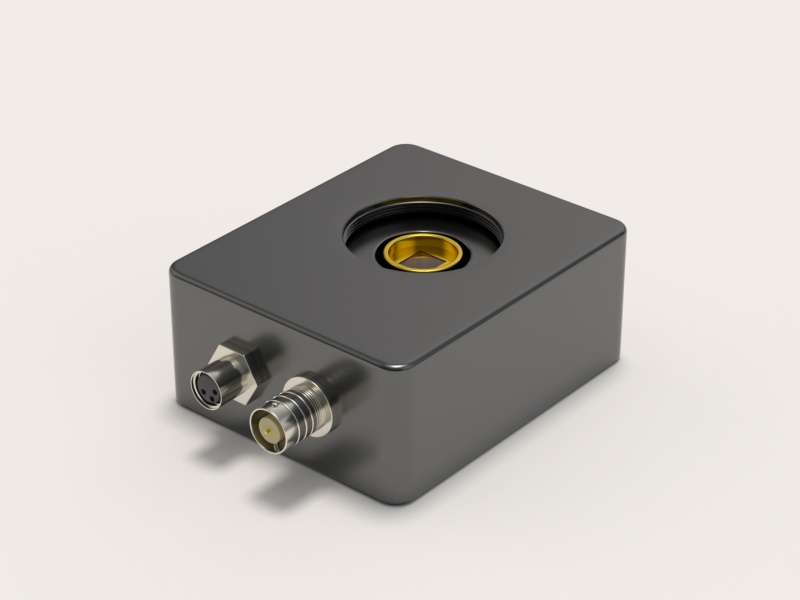
Adjustable-Gain PIN Modules
Low-noise silicon and InGaAs photodetectors with user-adjustable gain — match dynamic range to varying optical power in free-space experiments, teaching labs and prototype systems.
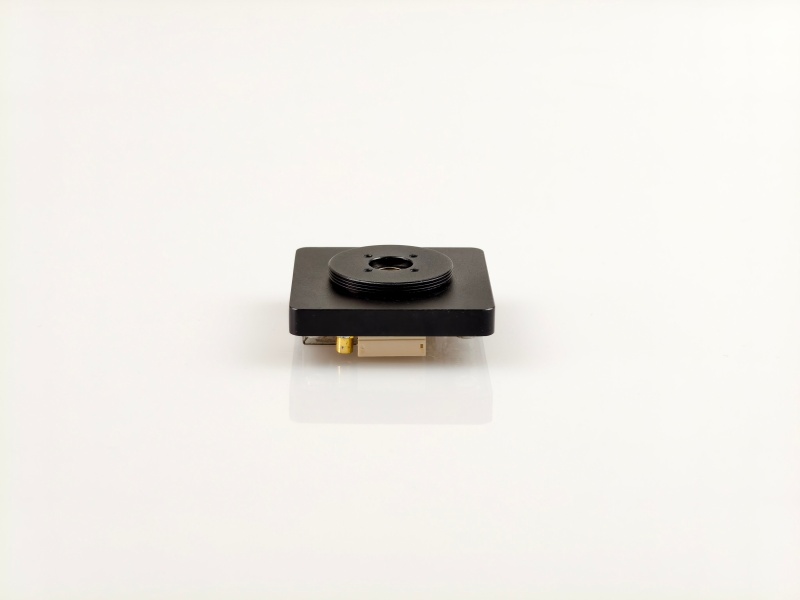
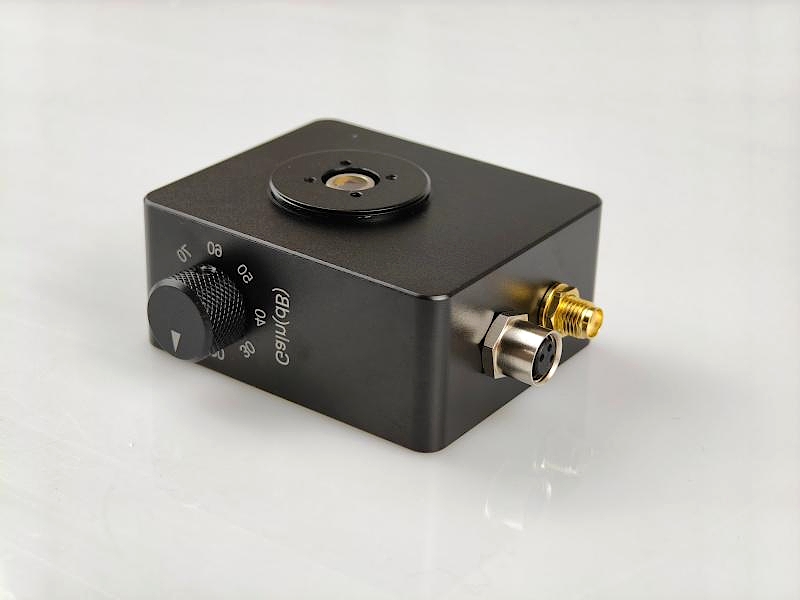
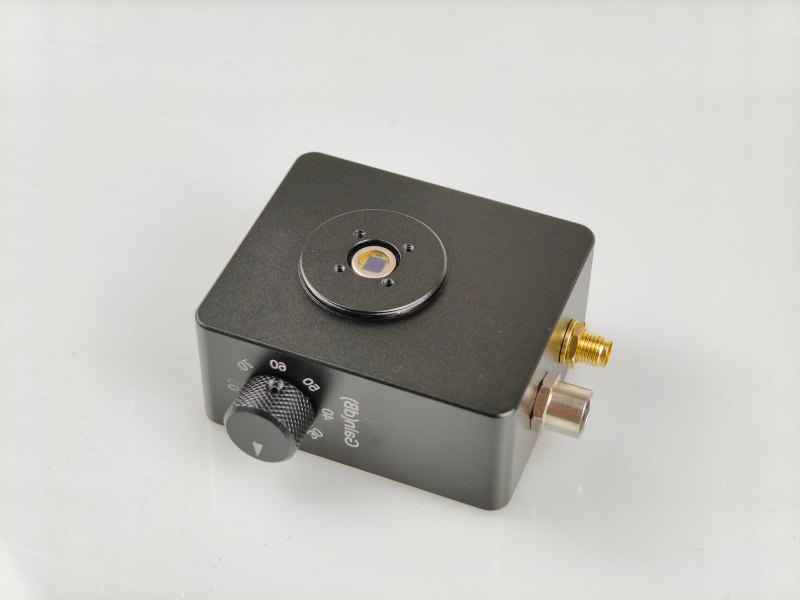
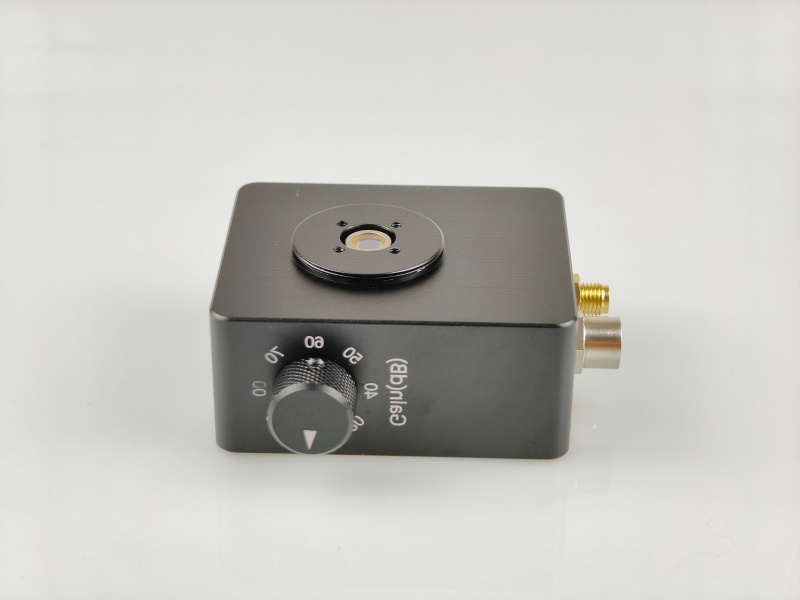
Specialty & Application-Specific Detectors
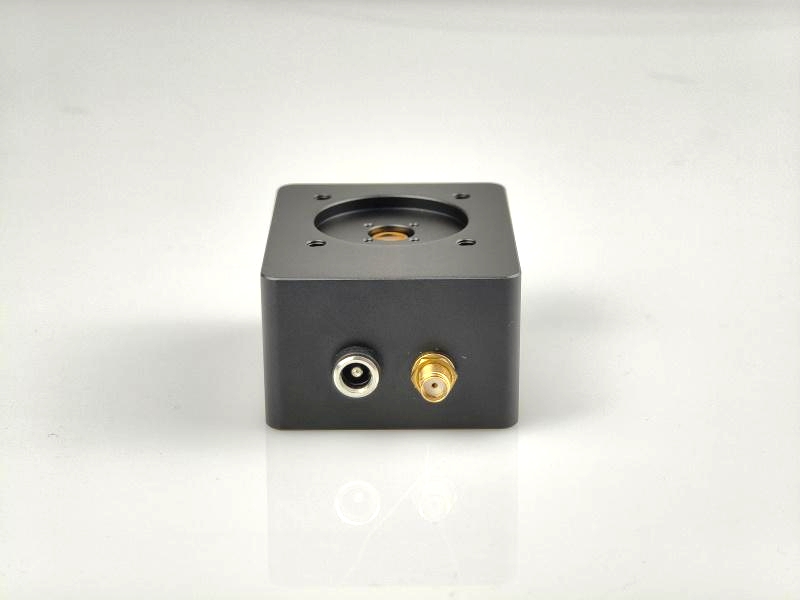
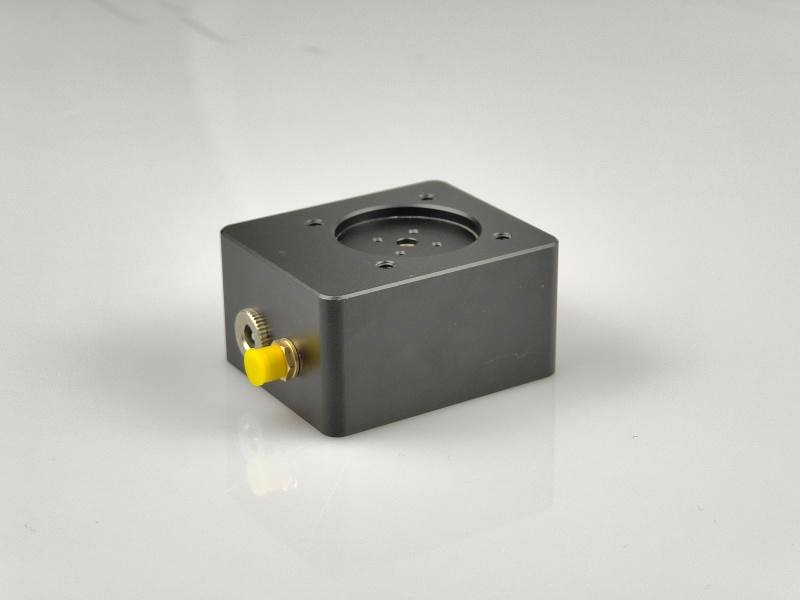
Purpose-built amplified photodetectors for fluorescence measurement, methane/gas detection at 1654 nm, and other targeted wavelength applications.
How to Choose a PIN Amplified Photodetector
- General fiber-coupled lab or sensing receive path? PD12 covers 400–1700 nm with bandwidth from kHz to 1 GHz depending on variant — versatile first choice for SM/MM fiber systems.
- 1 GHz InGaAs fiber receiver (1550 nm band)? PD11 — AC-coupled, 1000–1700 nm, optimized for high-speed optical communication and fast sensing demodulation.
- Need both AC and DC outputs from one fiber input? PD13 provides independent AC/DC channels on InGaAs, FC flange input.
- Free-space optical bench or cage setup? PD610 for compact general use; PDA60A2 for large 6×6 mm visible area at 10 MHz; PD58 for large photosensitive area applications.
- Variable optical power — need adjustable gain? PD510A/U (Si) or PD510C (InGaAs NIR), or PCB-style PDAPCB1 for prototyping.
- Ultra-weak signals requiring avalanche gain? See APD Photodetector Modules (APD20, DTS-APD) instead of PIN.
- Interferometric DVS/DAS differential detection? Use Balanced Photodetectors for common-mode noise rejection, not single-ended PIN.
What Are PIN Amplified Photodetector Modules?
A PIN photodetector converts optical power to photocurrent; a transimpedance amplifier (TIA) integrated in the module converts that current to a voltage on 50 Ω for oscilloscopes, lock-in amplifiers or DAQ hardware. Unlike APD modules, PIN detectors do not use avalanche multiplication — they offer lower noise at higher optical power and simpler operation, ideal for many fiber communication and sensing receive paths.
YB Photonics PIN portfolio spans fiber-coupled broadband modules (PD12), GHz InGaAs receivers (PD11), adjustable-gain free-space units (PD510 series), and specialty detectors for fluorescence and gas sensing — complementing our balanced photodetectors, APD modules and DAS/DVS systems.
Key Specifications to Compare
| Parameter | Why it matters | Typical range in this category |
|---|---|---|
| Wavelength | Must match source and fiber band | 320–1100 nm (Si); 800–1700 nm (InGaAs); 1654 nm (gas) |
| Coupling | Fiber system vs free-space optics | FC/APC fiber (PD12, PD11, PD13); free-space (PD610, PD510) |
| Bandwidth | Signal frequency content & rise time | kHz – 1 GHz (model dependent) |
| Output coupling | DC baseline vs AC-only high-speed | DC or AC (PD11 AC-coupled); PD13 dual AC+DC |
| Gain adjustability | Dynamic range for varying power | Fixed gain (PD12/PD11) or adjustable (PD510, PDAPCB1) |
| Active area | Alignment tolerance & light collection | 2×2 mm – 6×6 mm on free-space models |
Frequently Asked Questions
- PIN vs APD — which photodetector do I need?
- PIN modules (this category) suit moderate to strong optical signals with lower complexity and good linearity. Choose APD when signals are extremely weak (nW or below) and internal avalanche gain improves SNR — e.g. DTS Raman returns or long-range LiDAR.
- PD12 vs PD11 — what is the difference?
- PD12 is a broad-wavelength fiber-coupled module (400–1700 nm) with multiple bandwidth options from kHz to 1 GHz. PD11 is a dedicated 1 GHz, AC-coupled InGaAs fiber receiver optimized for 1000–1700 nm high-speed applications.
- Can I use a PIN detector for DVS/DAS demodulation?
- Single-ended PIN receivers can monitor optical power in non-interferometric setups. Coherent DVS/DAS phase demodulation typically uses balanced photodetectors for differential backscatter detection — check your demodulation architecture.
- Do modules include power supply and cables?
- YB Photonics photodetector modules typically ship with power adapter and SMA–BNC cable — confirm accessories when ordering. Most standard models are in stock.