FBG Demodulator Modules & Fiber Bragg Grating Sensors
Fiber Bragg grating interrogation and matched sensing hardware for high-precision strain, temperature, pressure, tilt, displacement and acceleration measurement — from the compact GY-FBG demodulator (4/8/16 channels, 1525–1565 nm) to field-proven FBG sensors for bridges, dams, pipelines, wind turbines and industrial SHM projects.
- 4 / 8 / 16 channels GY-FBG demodulator, RS232 host link
- 0.25 pm resolution 1525–1565 nm C-band scanning
- Matched FBG sensors Strain, temp, tilt, pressure & more
- SHM ready Bridges, dams, pipelines, wind
FBG Products by Application
FBG Demodulator & Interrogation Modules
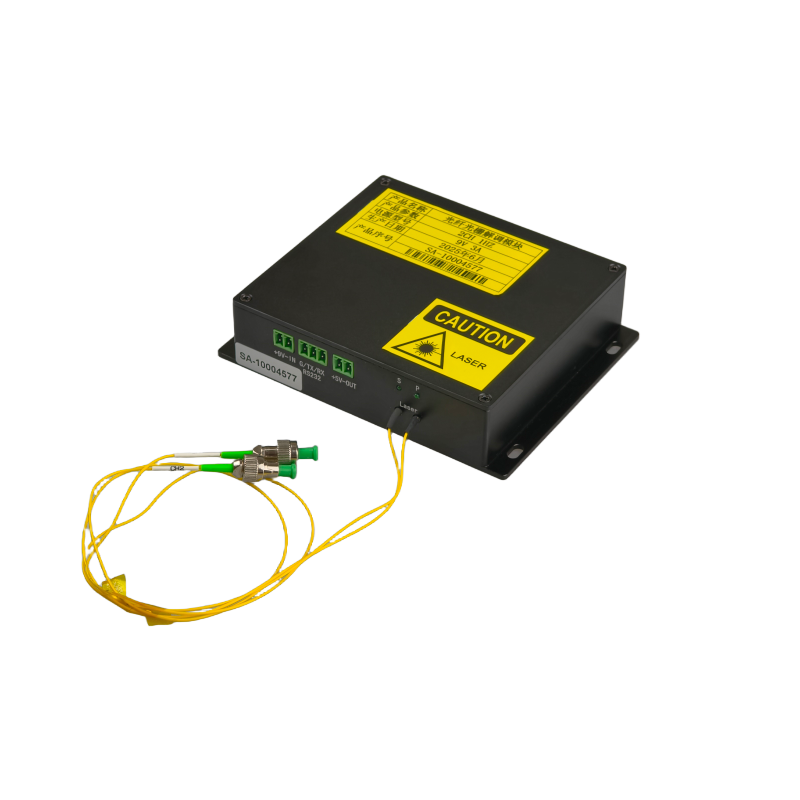
GY-FBG scans the C-band and reports wavelength, intensity and spectral data to your host via RS232 — the core interrogator for quasi-distributed FBG sensor networks in structural health monitoring, energy assets and research labs.
FBG Strain Sensors
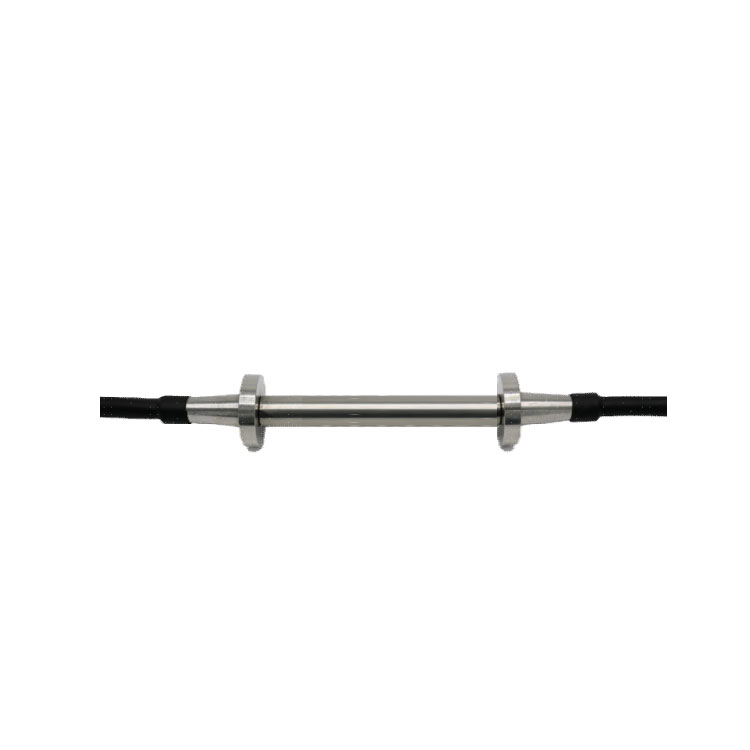
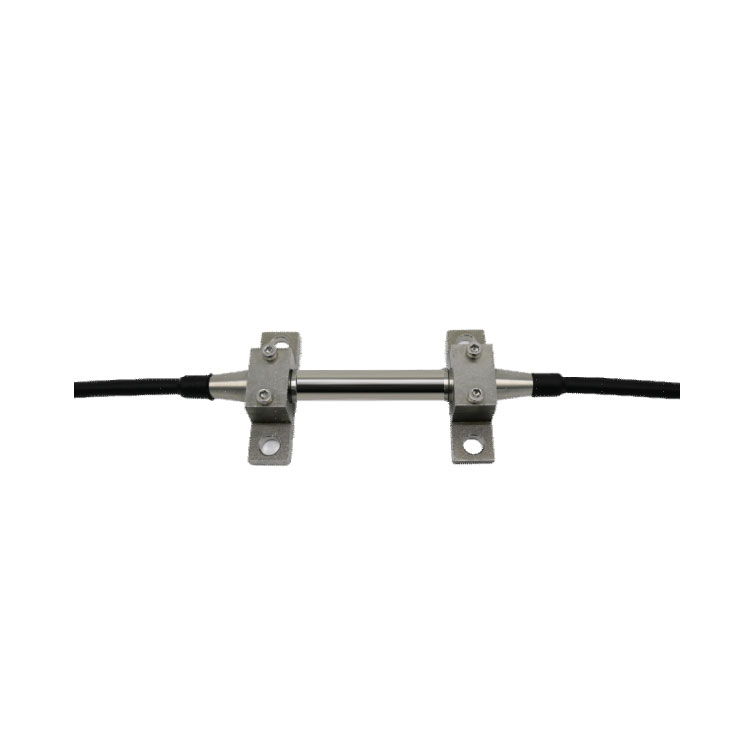
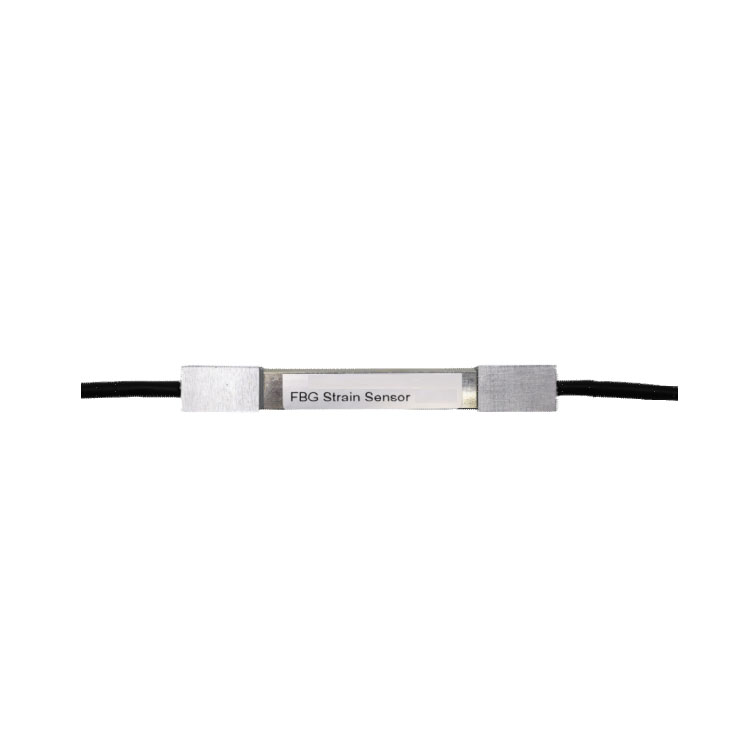
Embedded and surface-mount strain gauges for concrete, steel and composite structures — choose by installation method (buried, bolt/weld, glue/spot-weld) and whether built-in temperature compensation is required.
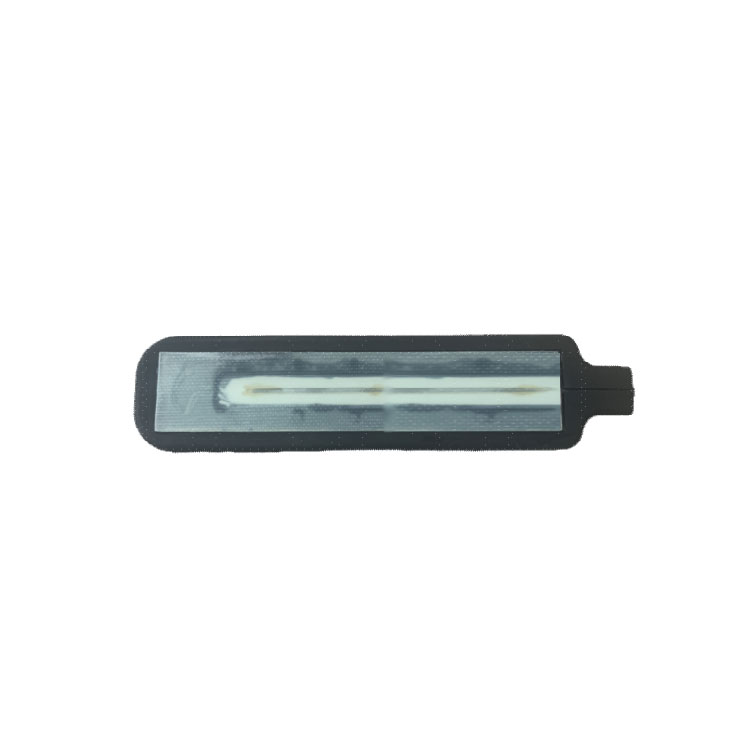
Geotechnical & Environmental FBG Sensors
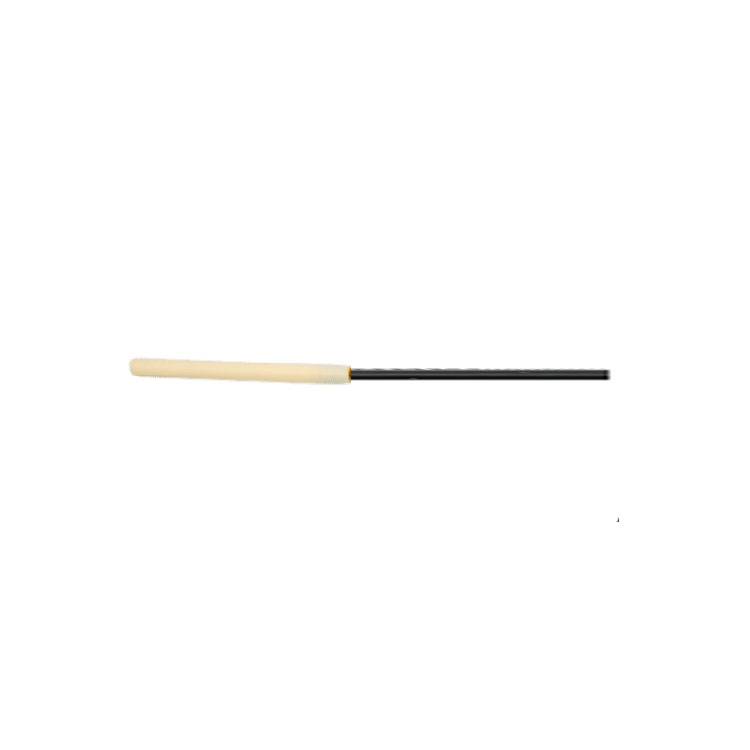
Earth pressure, displacement, tilt and temperature sensors for dams, slopes, foundations, tunnels and general SHM — many models include built-in temperature compensation for long-term outdoor deployment.
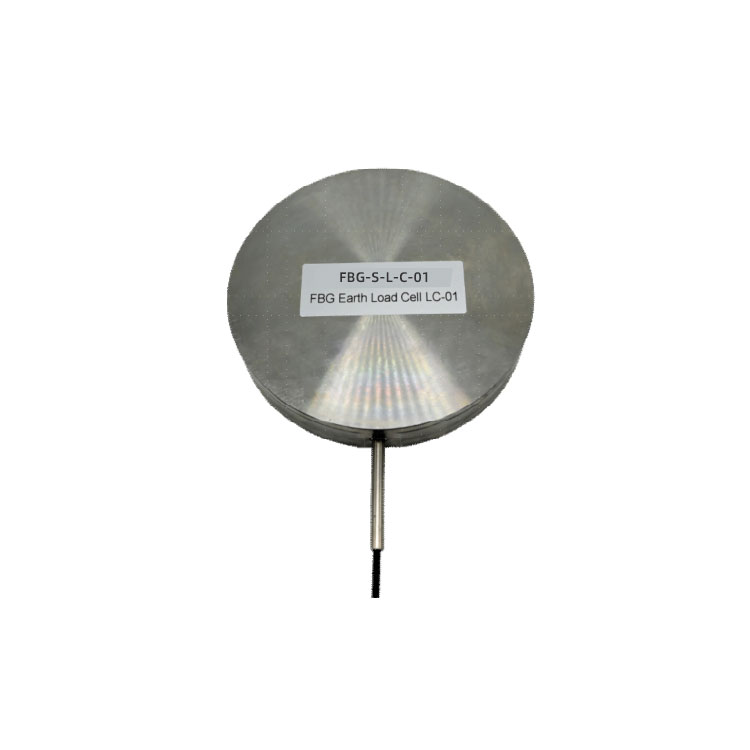
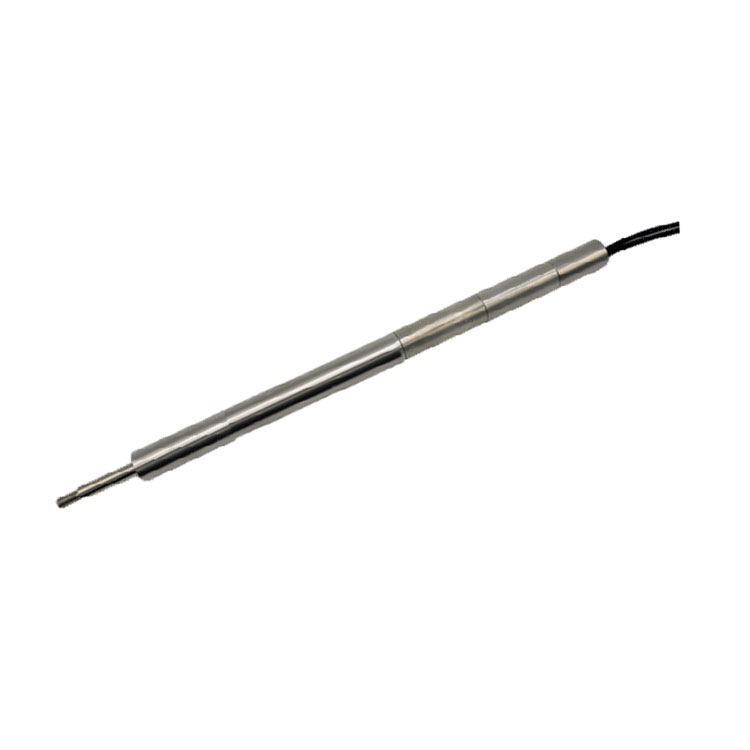
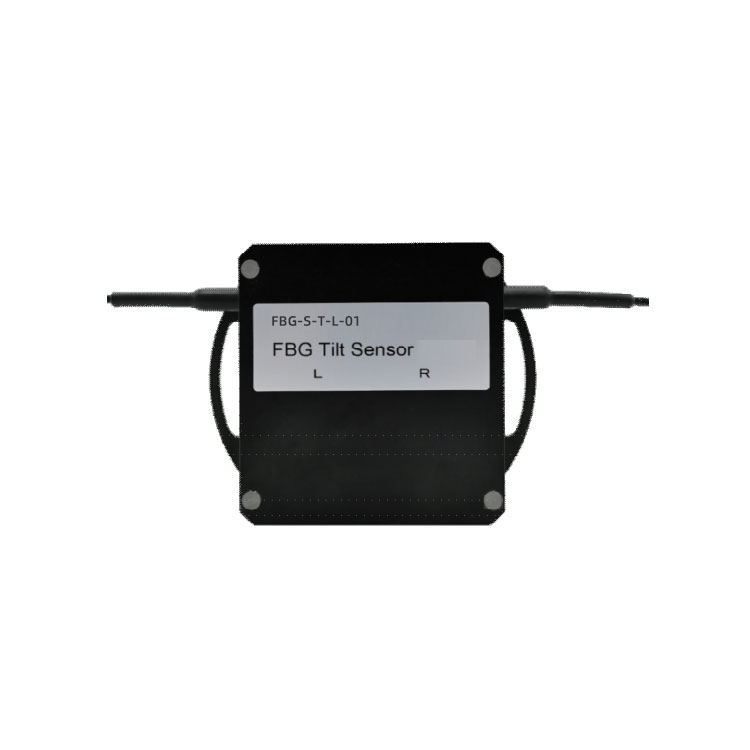
FBG Acceleration & Vibration Sensors
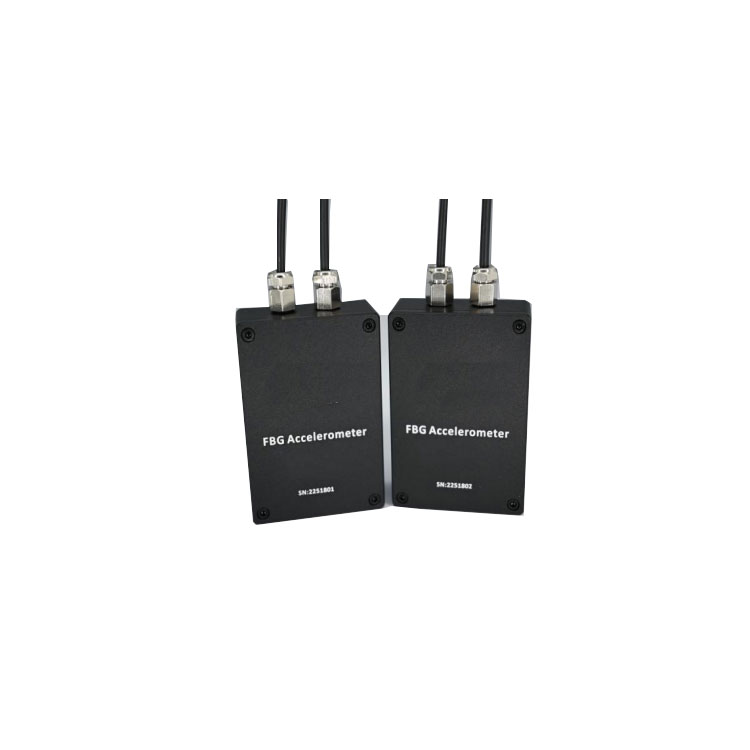
Fiber grating accelerometers for bridge, dam and machinery vibration monitoring — metal encapsulated, wide frequency range, suitable for harsh outdoor and industrial environments.
How to Choose FBG Demodulators & Sensors
- Starting a new FBG monitoring network? Begin with GY-FBG demodulator — select 4, 8 or 16 channels based on sensor count and expansion plans; host software receives wavelength data via RS232.
- Measuring strain inside concrete or rebar? FBG-S-E-S-01 embedded sensor; choose FBG-S-E-ST-01 variant when temperature compensation is required (contact us for ST variant).
- Surface strain on steel or concrete? FBG-S-M-S-01 (bolt/weld mount) or FBG-S-M-S-02 (compact glue/spot-weld) depending on space and installation access.
- Wind turbine pitch or blade monitoring? FBG-S-M-ST-03 — built-in temperature compensation, blind-plug installation, anti-fatigue design for rotating machinery.
- Dam, slope or foundation geotechnical monitoring? FBG-S-L-C-01 (earth pressure), FBG-S-D-ST-01 (displacement), FBG-S-T-L-01 (tilt), FBG-S-C-T-01 (temperature) — mix sensors on one GY-FBG demodulator channel plan.
- Need distributed km-scale sensing instead of point FBG? See DAS/DVS modules or DTS systems — different technology for continuous fiber sensing along cable length.
New to fiber sensing acronyms? Read DVS, DTS, DAS & FBG explained or our FBG glossary entry.
What Are FBG Demodulator Modules?
A fiber Bragg grating (FBG) reflects a narrow band of light whose center wavelength shifts when strain, temperature or pressure acts on the fiber. An FBG demodulator (interrogator) scans a wavelength range, measures each grating’s peak wavelength, and reports results to monitoring software — enabling quasi-distributed sensing with many point sensors on one fiber link.
YB Photonics GY-FBG demodulator covers 1525–1565 nm with 0.25 pm resolution, optional 4/8/16 channels, full-spectrum output and RS232/422 communication. Pair it with our matched FBG strain, temperature, tilt, displacement, earth-pressure and acceleration sensors for bridge SHM, pipeline safety, wind energy and civil engineering projects — complementary to our distributed DAS/DVS and DTS product lines.
Key Specifications to Compare
| Parameter | Why it matters | Typical range in this category |
|---|---|---|
| Channel count | How many independent fiber links the demodulator serves | 4, 8 or 16 (GY-FBG) |
| Wavelength range | Must cover your sensor calibration band | 1525–1565 nm (40 nm span) |
| Wavelength resolution | Minimum detectable shift → measurement precision | 0.25 pm (GY-FBG) |
| Sensor type | Physical quantity measured | Strain, temperature, tilt, displacement, pressure, acceleration |
| Installation | Embedded, surface mount, buried or wind-specific | Bolt, weld, glue, bury — model dependent |
| Host interface | Integration with your SCADA or lab software | RS232/422 serial (GY-FBG) |
Frequently Asked Questions
- How many FBG sensors can one GY-FBG channel support?
- Multiple FBGs can be serially connected on one fiber if their calibrated wavelengths are spaced ≥0.5 nm apart (GY-FBG tandem-connectable spacing). Plan wavelength allocation during system design — YB Photonics can advise on sensor pairing.
- What is the difference between FBG-S-M-S-01 and FBG-S-M-S-02?
- Both measure surface strain. FBG-S-M-S-01 uses bolt or weld mounting on steel/concrete surfaces (Φ12 × 126 mm). FBG-S-M-S-02 is a compact glue/spot-weld sensor (82 × 13 × 7 mm) for tighter spaces and polymer surfaces — minimal damage to the measured object.
- Is FBG the same as DAS or DTS?
- No. FBG uses discrete gratings at known locations along fiber — each grating is a point sensor. DAS/DVS and DTS measure continuously along the fiber length using backscatter. See our comparison article.
- Do YB Photonics FBG sensors include temperature compensation?
- Some models include built-in temperature compensation (e.g. FBG-S-L-C-01 earth pressure, FBG-S-M-ST-03 wind strain). Embedded/surface strain sensors offer ST variants — specify your environment when ordering.