Distributed Acoustic Sensing (DAS) Applications
Practical guide to DAS principles and YB Photonics hardware for enterprise systems, OEM integration, and research labs — from all-in-one units to modular lasers, AOM, EDFA, and DAQ cards.
What is Distributed Acoustic Sensing (DAS)?
Distributed Acoustic Sensing (DAS) is a fiber optic sensing technology that uses a single optical fiber as a continuous vibration sensor along the entire cable length. A DAS interrogator sends laser pulses down the fiber and analyzes Rayleigh backscatter to detect acoustic and vibration events — enabling perimeter security, pipeline monitoring, geophysical survey, and structural health applications with one sensing cable.
DAS Working Principle: Rayleigh Phase Detection
DAS systems detect vibration by measuring phase changes in coherent Rayleigh backscattered light, rather than relying on intensity alone. Phase-sensitive OTDR (φ-OTDR) demodulation captures the amplitude, frequency, and location of acoustic events along the fiber — supporting both qualitative alarm triggering and quantitative vibration analysis for research-grade distributed acoustic sensing.
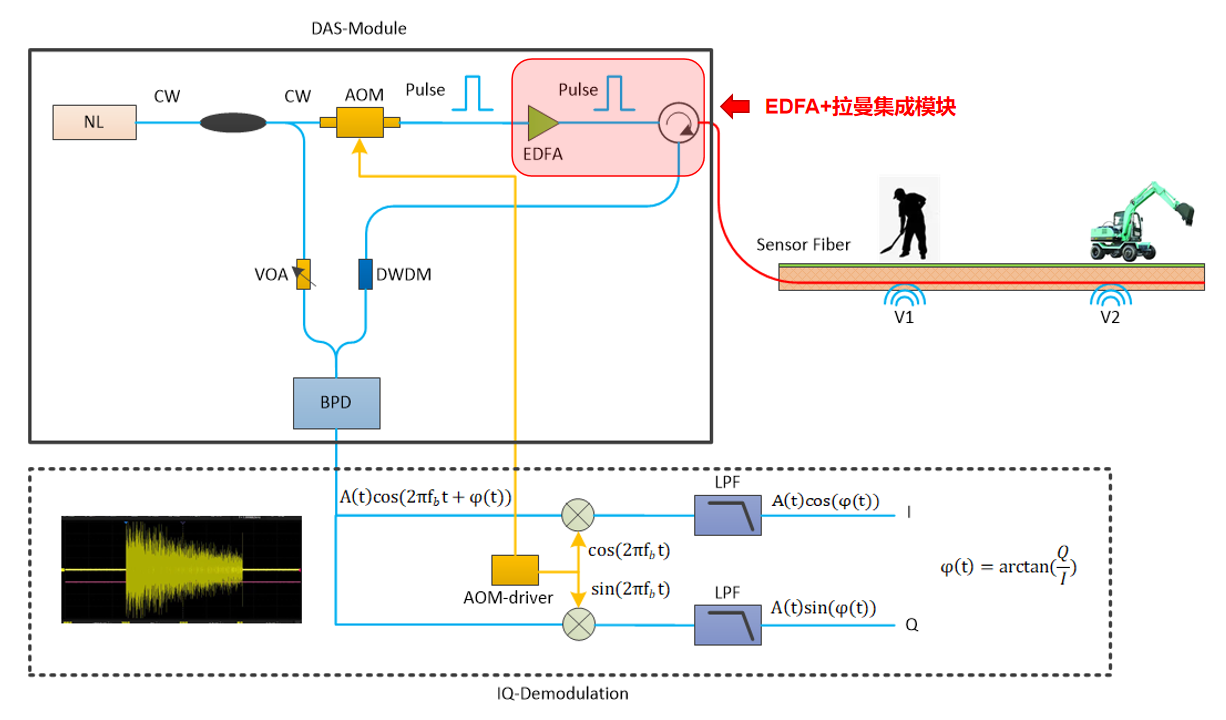
How to Build Your DAS System
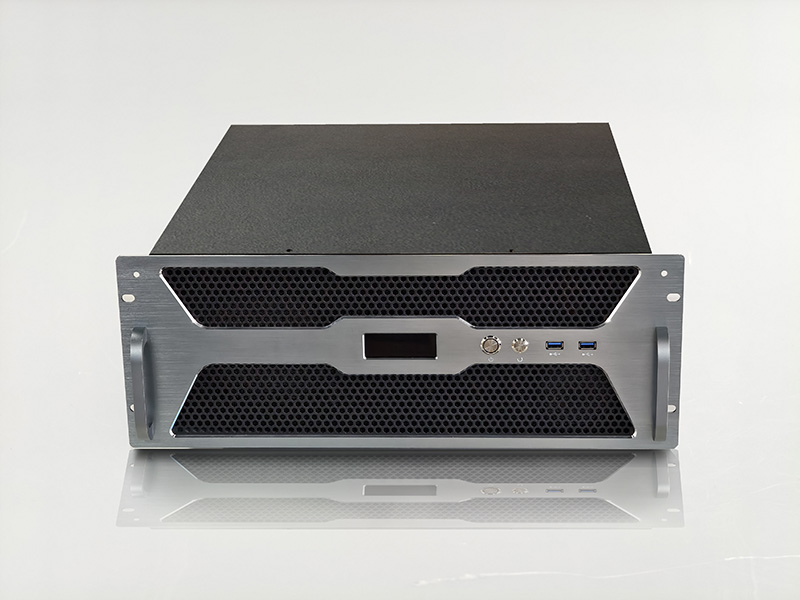
Enterprise Users — All-in-One DAS Systems
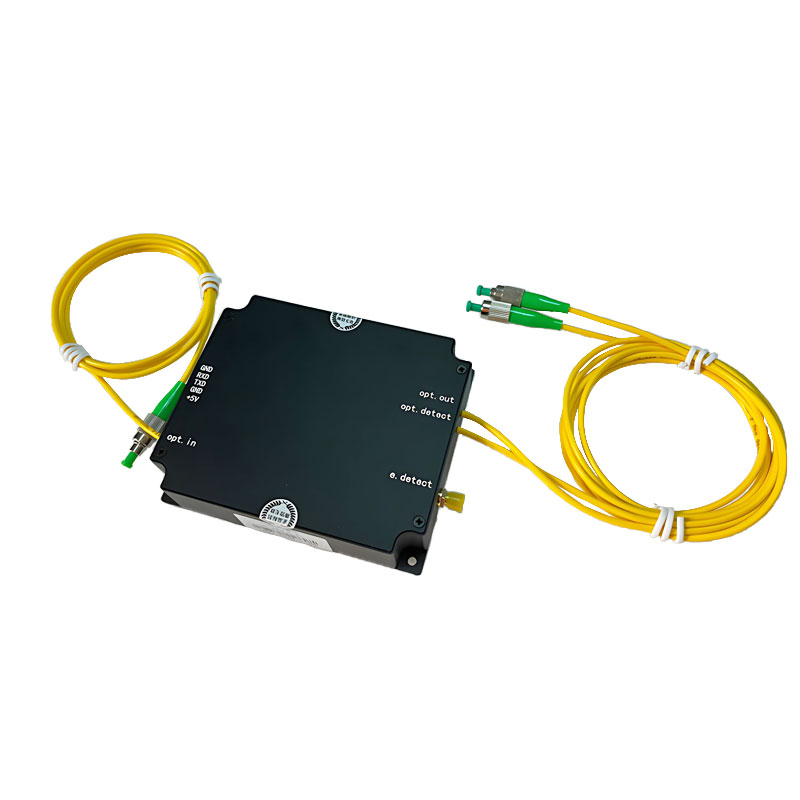
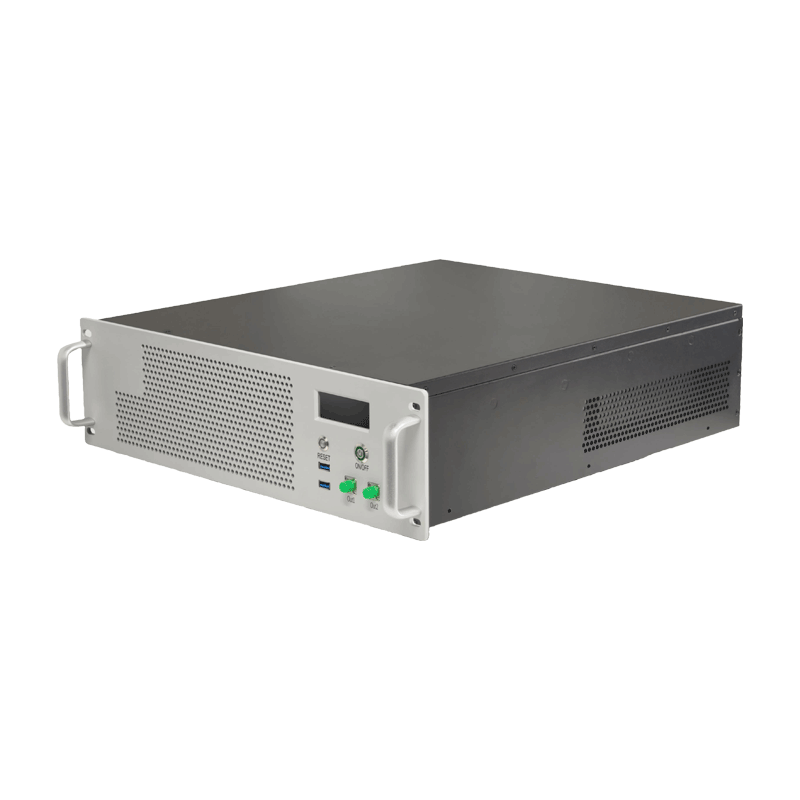
Enterprise users require complete solutions, so they typically need software systems in addition to hardware. For such scenarios, we recommend our DAS integrated systems, as they feature fully integrated hardware. Simply plug in the fiber optic cables to get started — users only need to develop software algorithms tailored to their specific application scenarios.
OEM Integration — DAS Modules & DAQ Cards
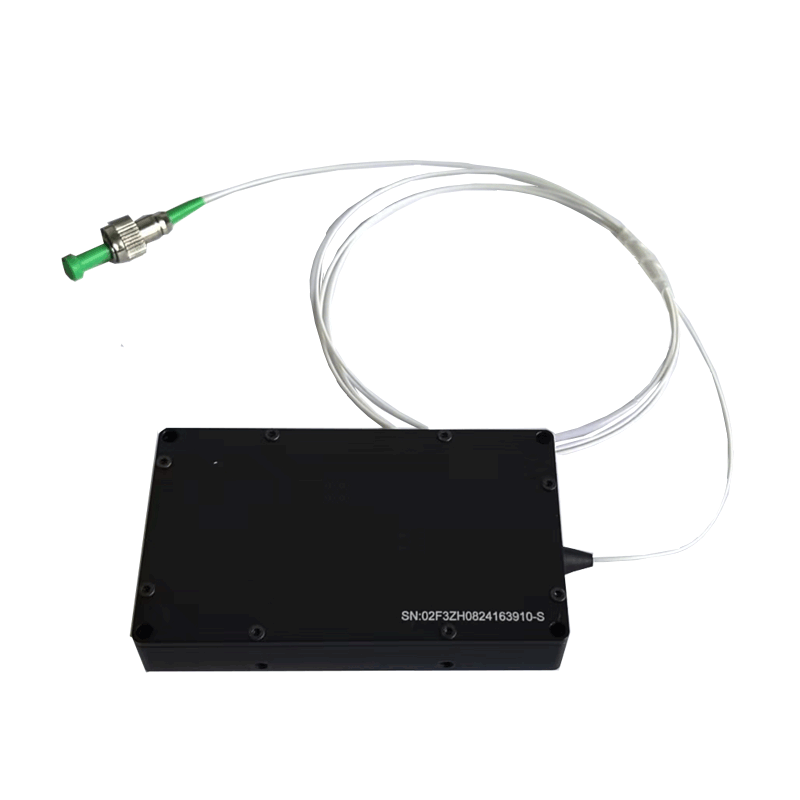
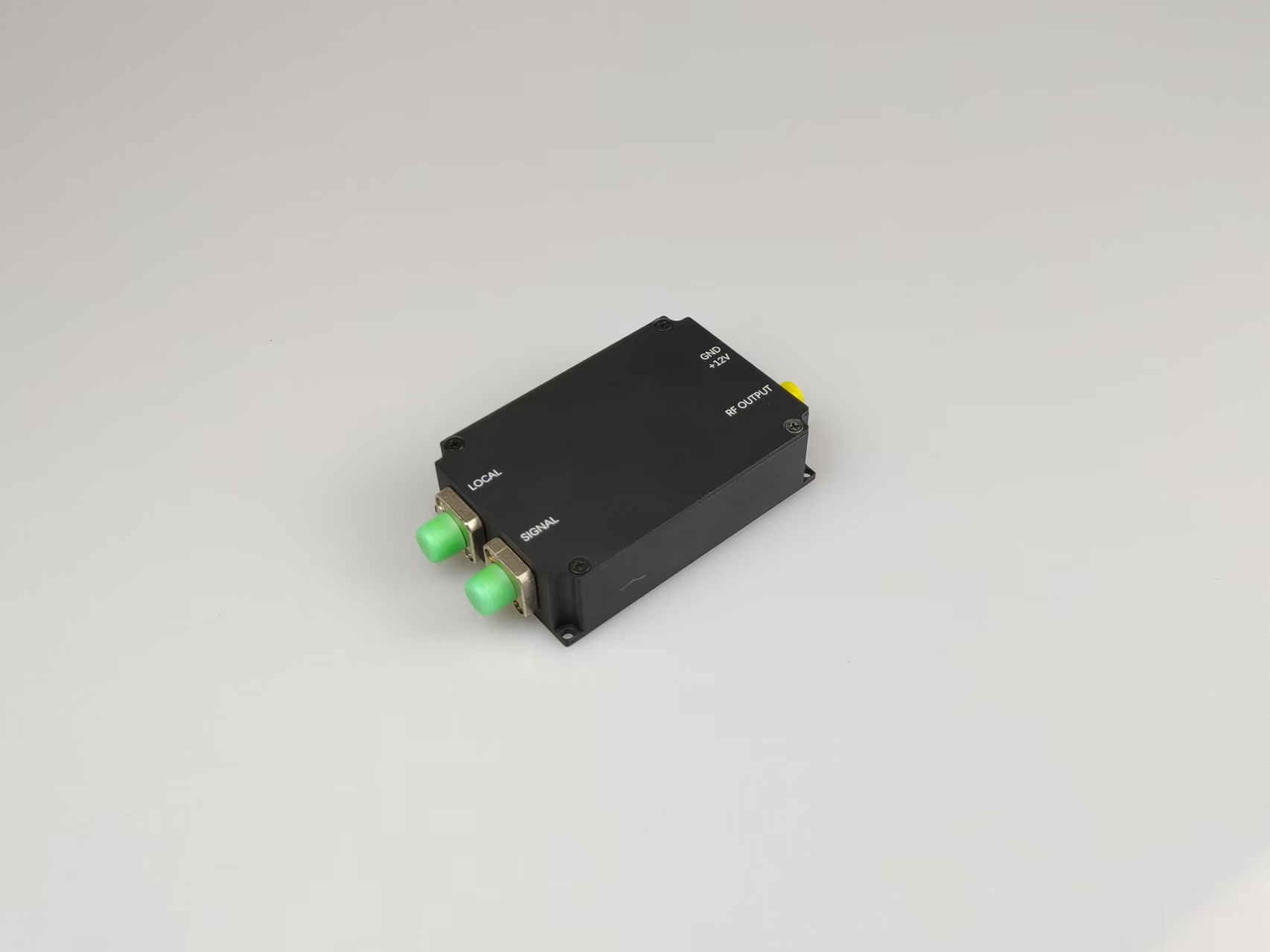
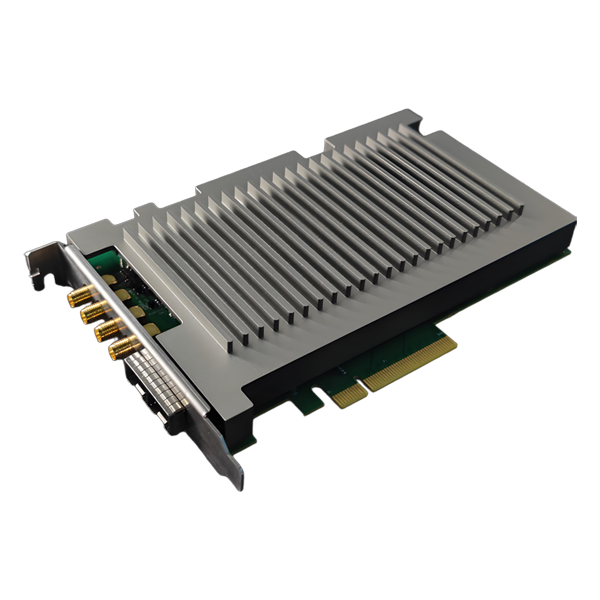
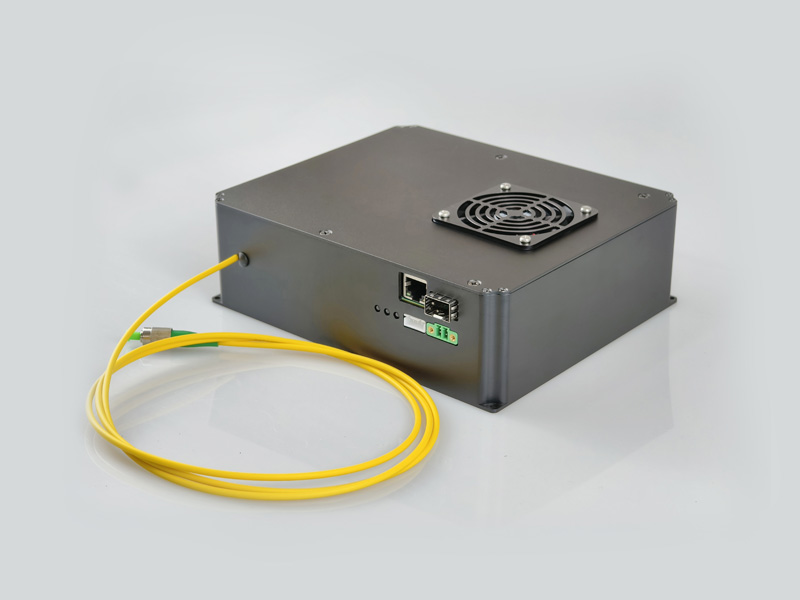
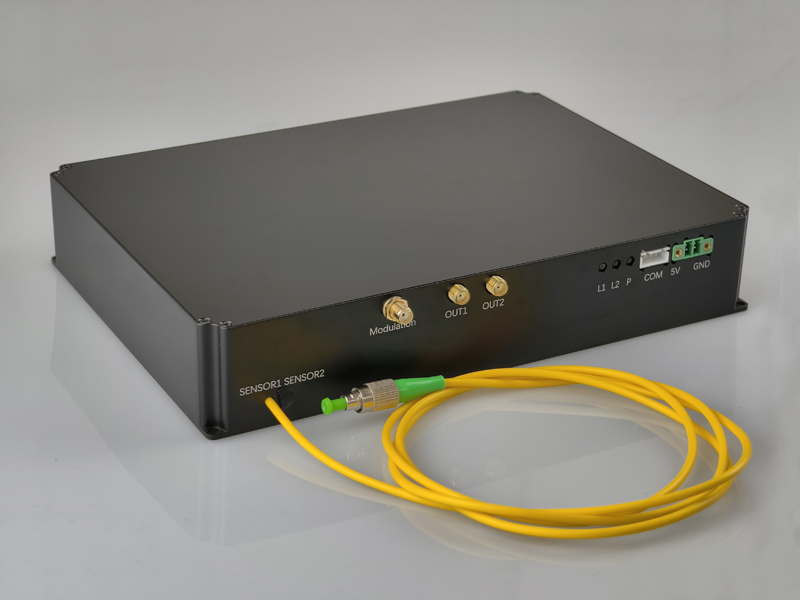
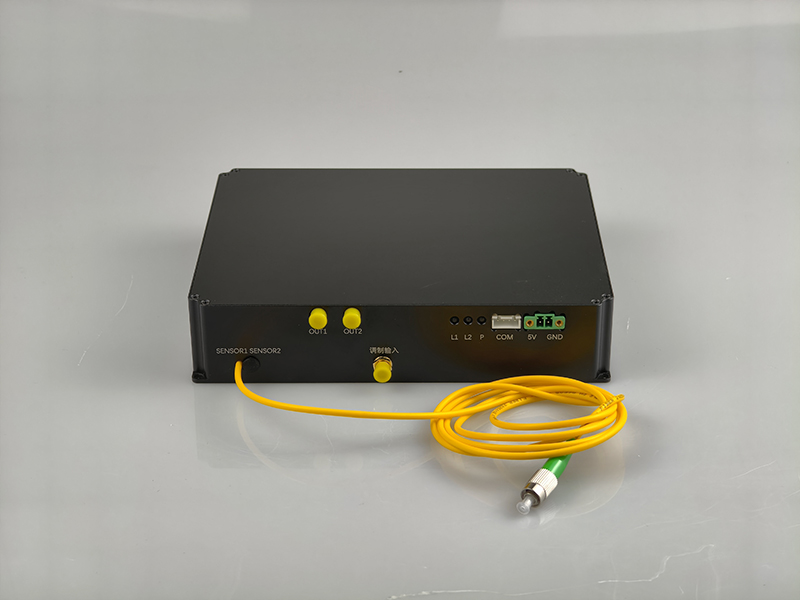
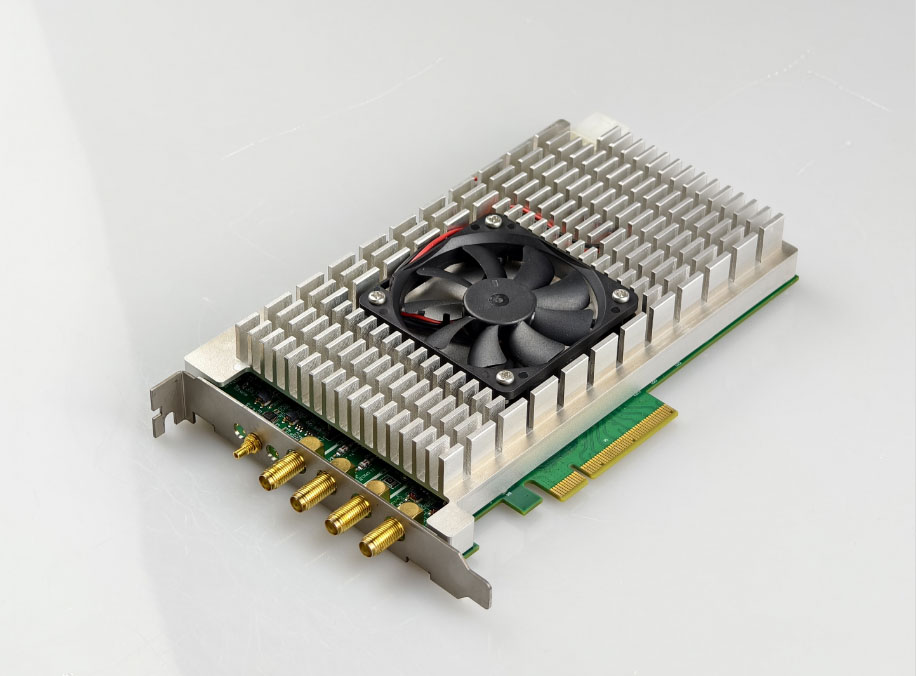
Enterprise users who need to build their own DAS equipment chassis can choose to integrate using DAS integrated modules and data acquisition cards. We offer standard DAS modules, enhanced DAS modules, and PCIe data acquisition cards with Ethernet/fiber ports. Users can select components based on their specific requirements.

Research Labs — Separated DAS Optical Components
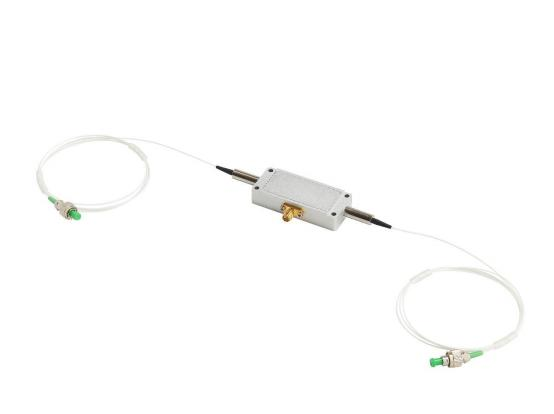
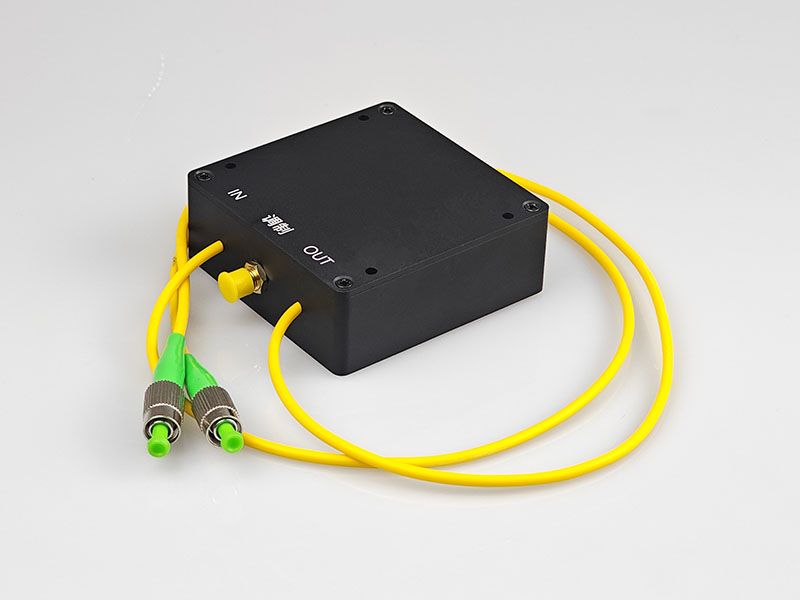
Research clients often wish to understand and become familiar with the internal implementation principles and component structure of DAS systems, and may require modifications to the DAS optical path. For such users, our DAS system hardware module separation solution is available.