Distributed Temperature Sensing (DTS) Applications
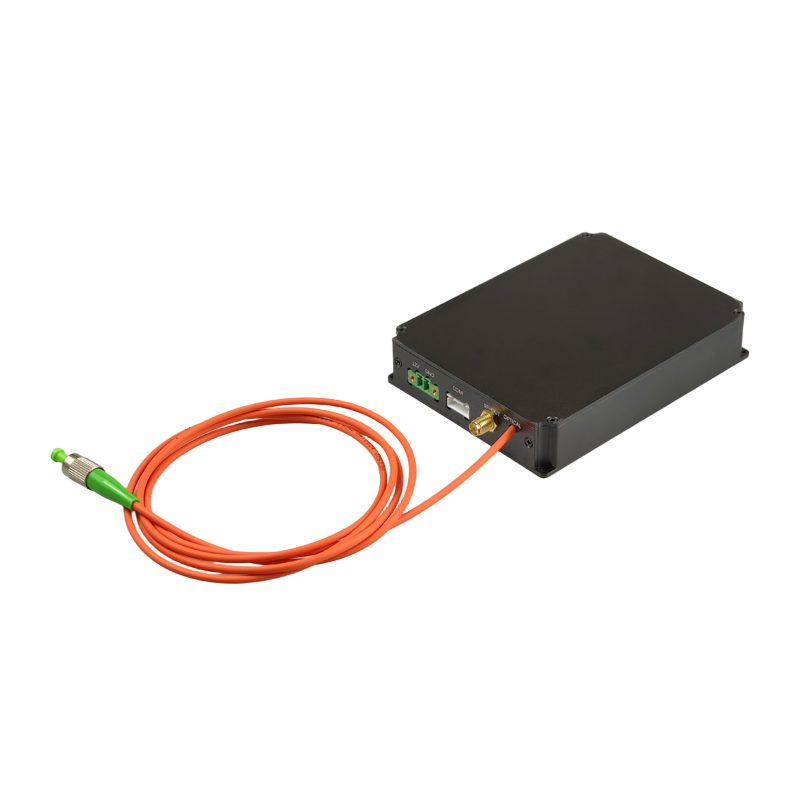
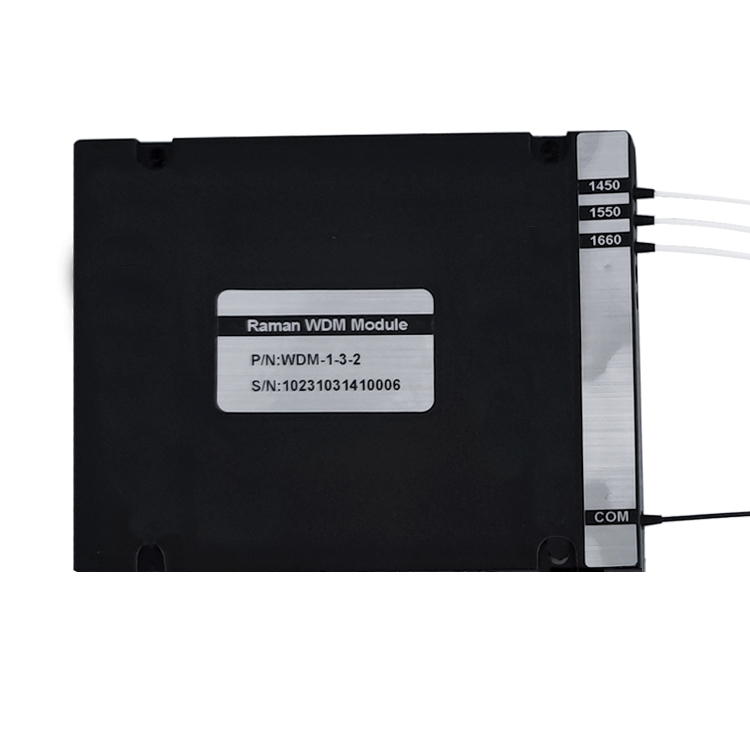
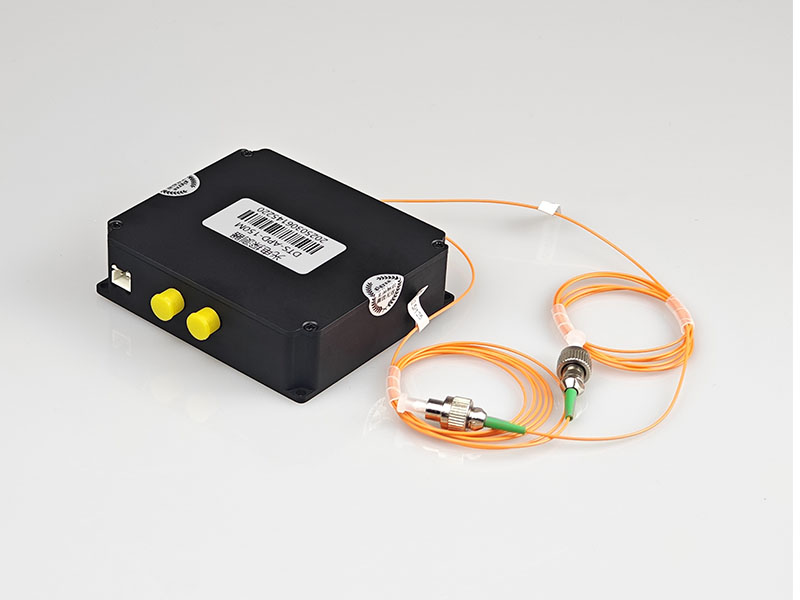
Guide to DTS Raman scattering principles and YB Photonics hardware for enterprise deployment and research integration — mainframes, integration modules, pulsed lasers, WDM couplers, and DAQ boards.
What is Distributed Temperature Sensing (DTS)?
Distributed Temperature Sensing (DTS) uses optical fiber as a continuous temperature sensor along the entire cable length. A DTS interrogator sends laser pulses and analyzes temperature-dependent Raman backscatter to measure spatial temperature profiles — widely used in power cable monitoring, pipeline leak detection, fire detection in tunnels, and geotechnical monitoring.
DTS Working Principle: Raman Backscatter Detection
The fundamental principles of distributed fiber optic temperature sensing systems (DTS) are currently based on the optical time-domain reflectometry (OTDR) principle and the Raman scattering effect in optical fibers. The mechanism of fiber optic temperature measurement relies on the backward Raman scattering effect.
How to Build Your DTS System
Enterprise Users — DTS Mainframes & Integration Modules
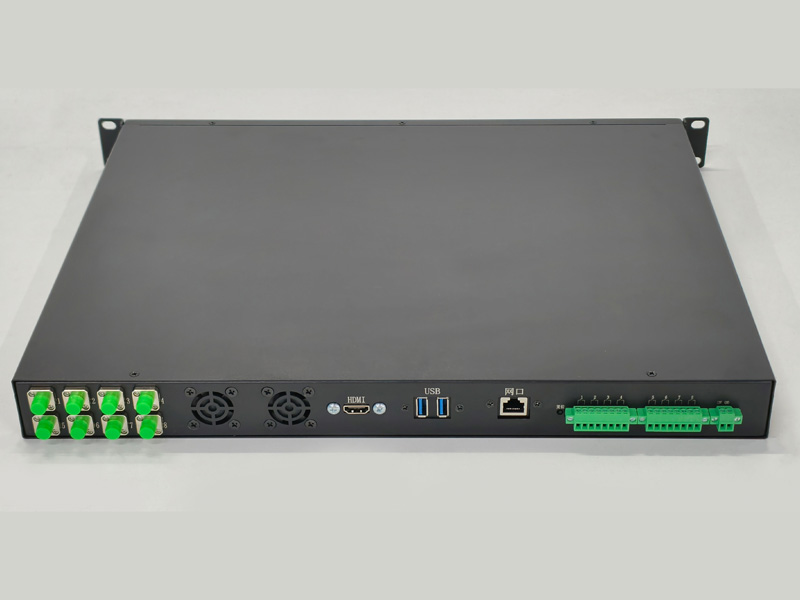
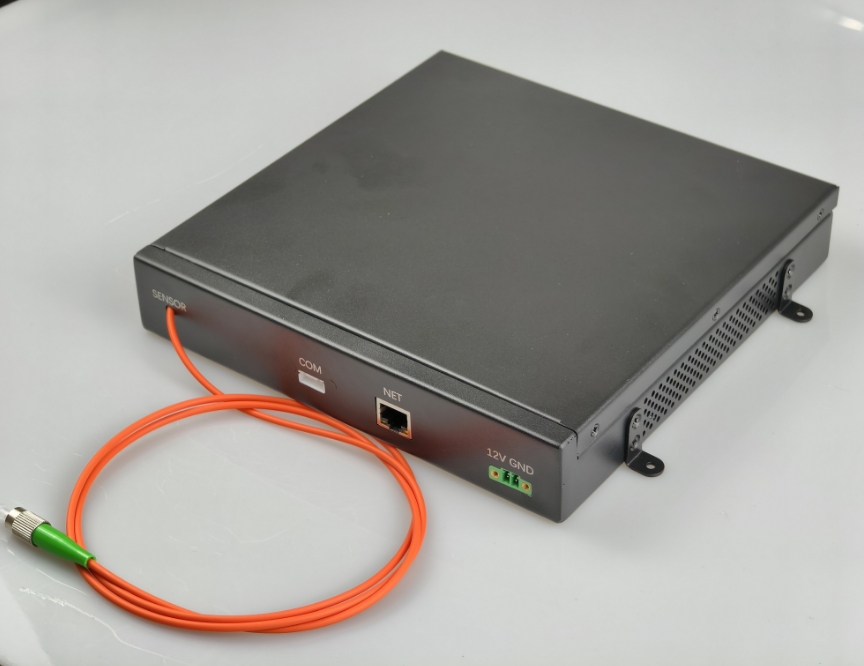
Enterprise-level users typically purchase DTS hosts directly for project implementation. Some users with in-house R&D capabilities who wish to reduce costs opt to purchase DTS modules and perform their own integration.
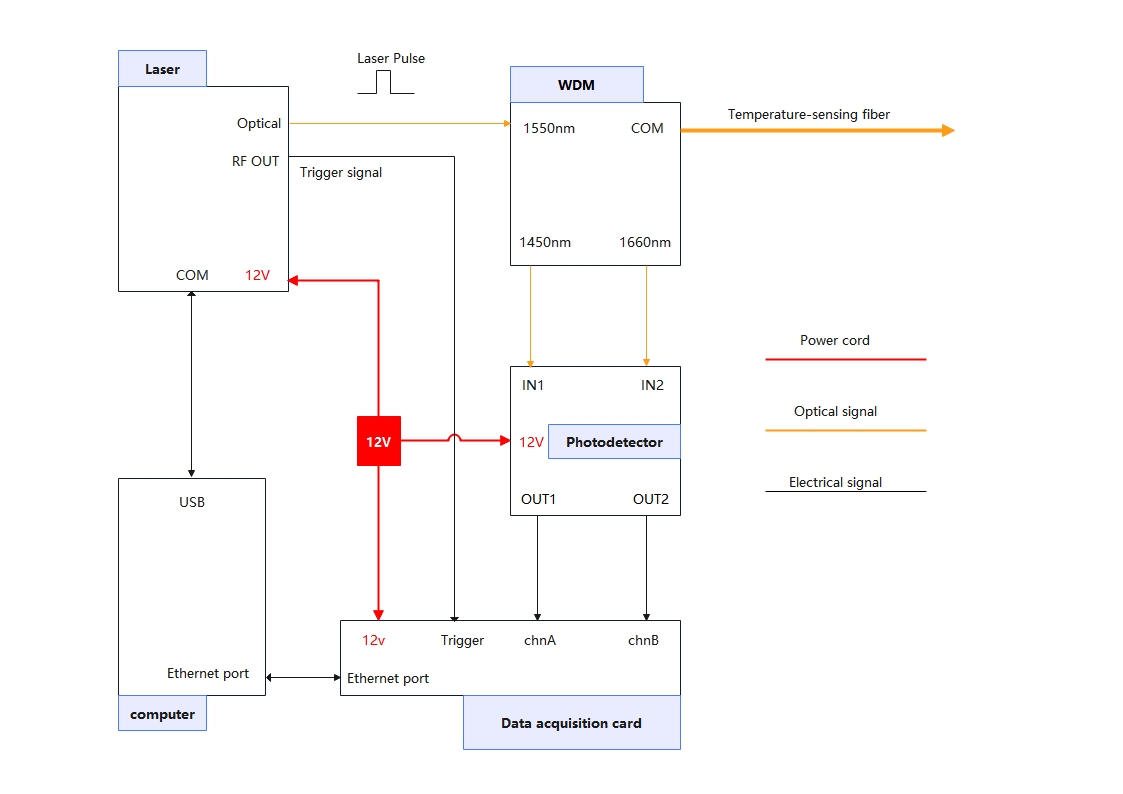
Research Labs — Separated DTS Optical Components
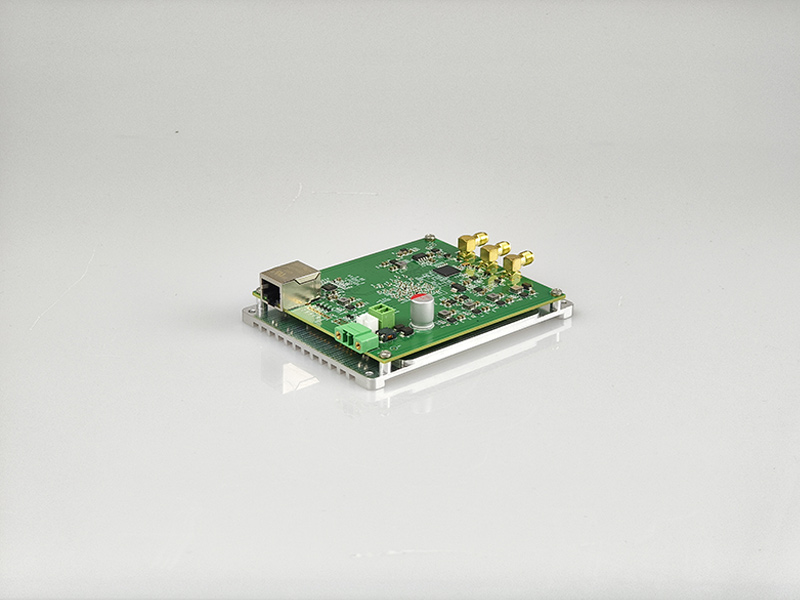
Research users typically need to understand the system's implementation principles and be familiar with the functions of each module, so they often use separate modules.