APD Photodetector Modules
High-sensitivity avalanche photodetector modules with integrated transimpedance amplification and temperature compensation — fiber-coupled and free-space options from 400–1700 nm for DTS Raman receivers, distributed fiber sensing, LiDAR, UV fluorescence and laboratory weak-light detection.
- 400–1700 nm Si & InGaAs material options
- 10 MHz – 1 GHz Bandwidth models for sensing & comms
- nW-level sensitivity Built-in TIA + APD gain
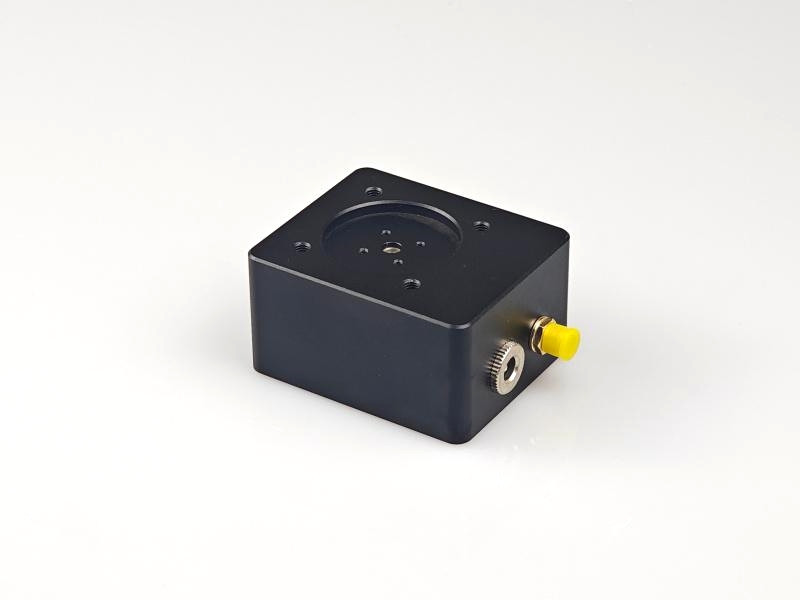
- FC/APC or free-space Fiber sensing & benchtop setups
APD Products by Application
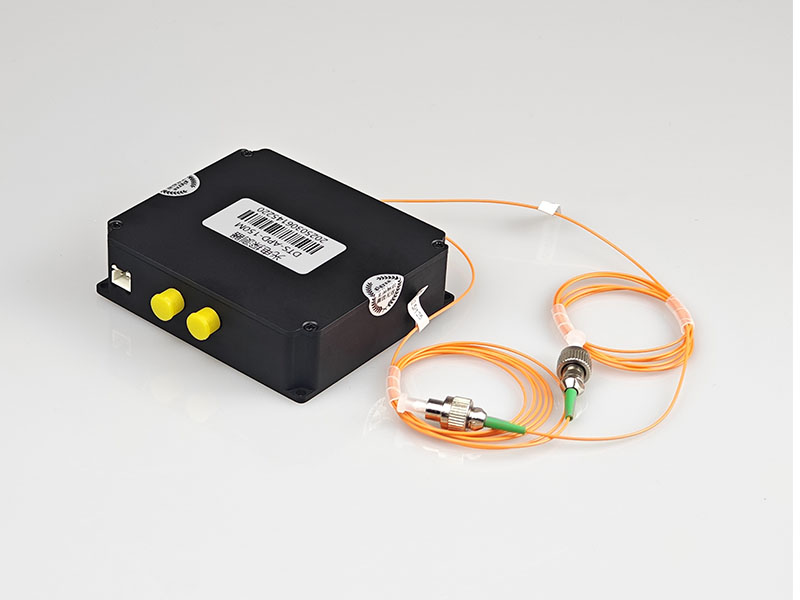
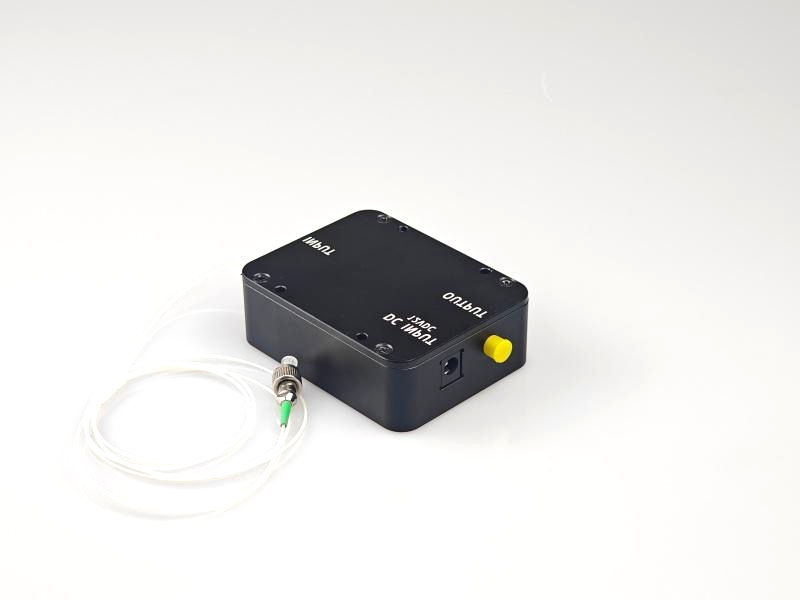
Fiber-Coupled APD for DTS & Sensing
FC/APC input modules for distributed fiber optic systems — dual-channel DTS-APD for Raman Stokes/anti-Stokes detection, and the versatile APD20 series for DVS/DAS receive paths and general nW-level fiber-coupled measurement.
Free-Space APD Modules (Si / InGaAs)
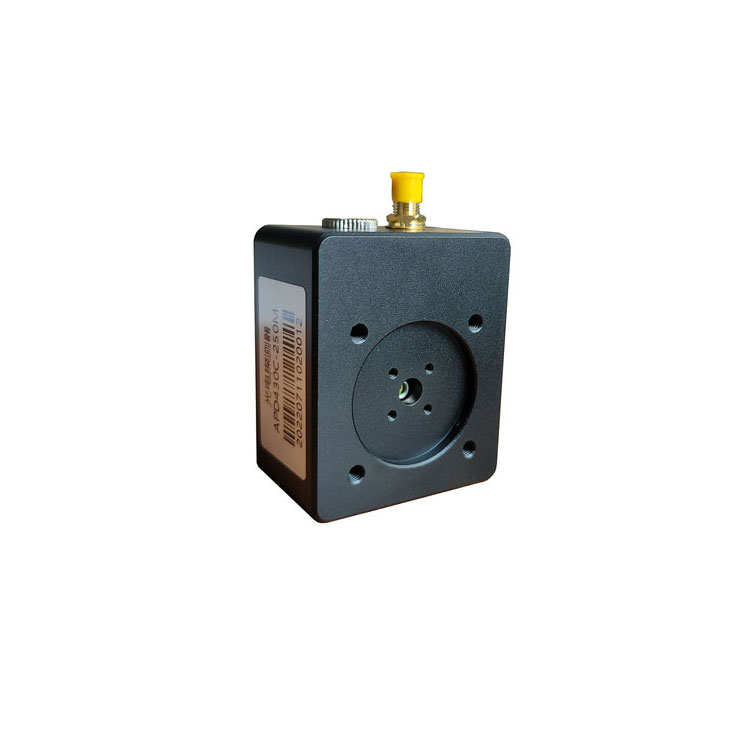
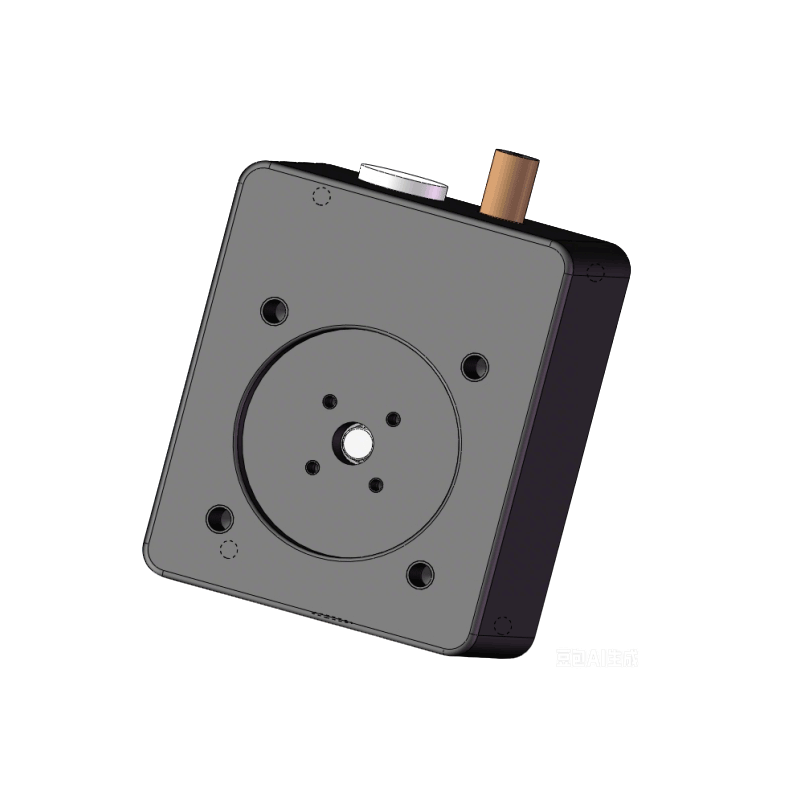
General-purpose free-space avalanche photodetectors with 10–400 MHz bandwidth — Si (400–1100 nm) and InGaAs (1000–1700 nm) versions for LiDAR, weak-signal lab work and optical cage integration. Temperature-compensated T-series variants available.
UV-Enhanced & Visible APD
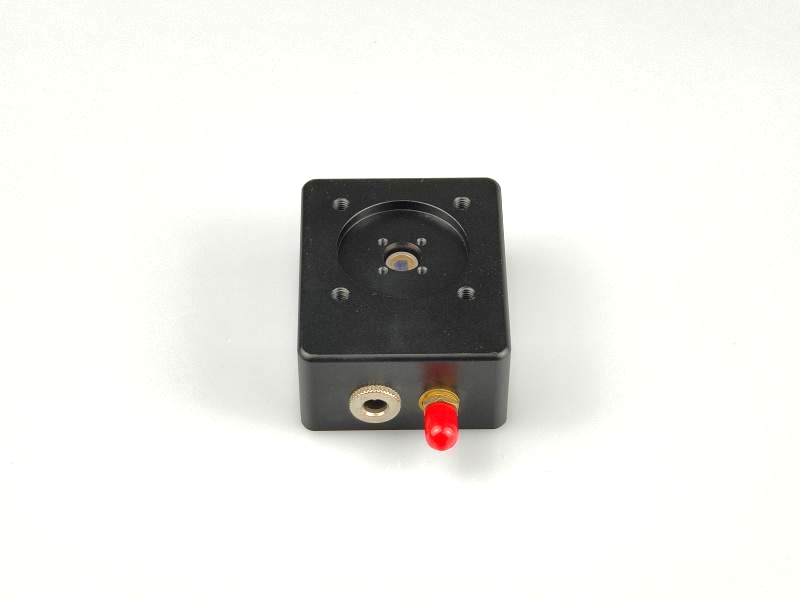
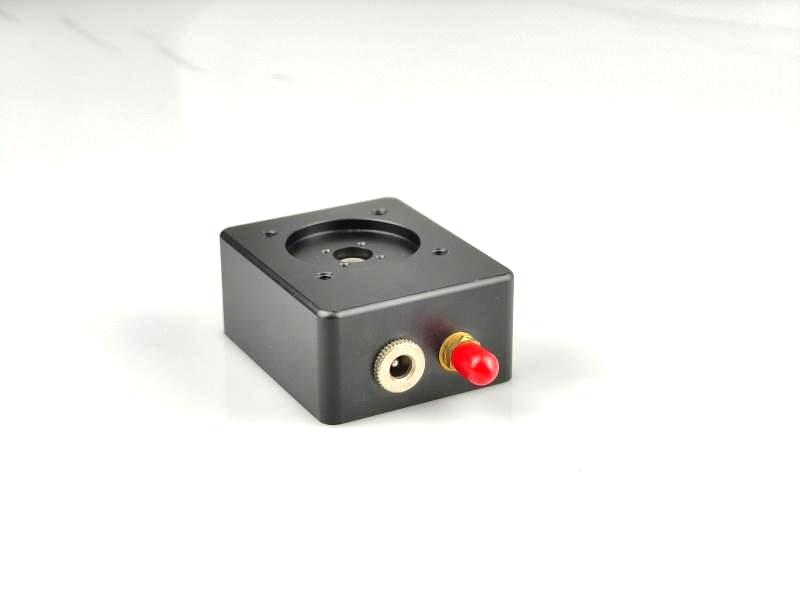
Large-area silicon APDs with UV-enhanced response for fluorescence, chemical analysis and low-light visible/near-UV experiments — 3 mm photosensitive diameter, temperature compensation.
1064 nm APD for LiDAR & Aerosol Detection
Silicon APD modules optimized for 1064 nm — high gain for atmospheric aerosol radar, LiDAR and Yb-band free-space detection. Standard and temperature-compensated (T) models.
High-Speed & Position-Sensing Detectors
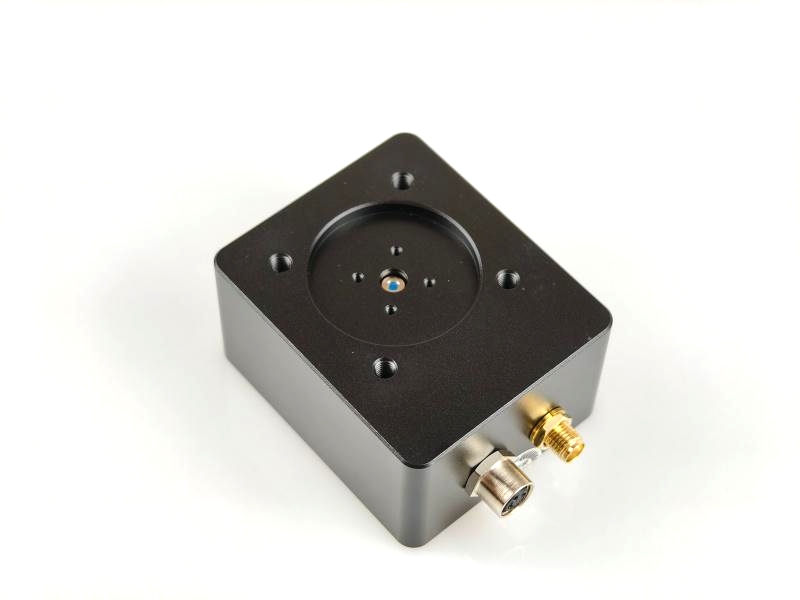
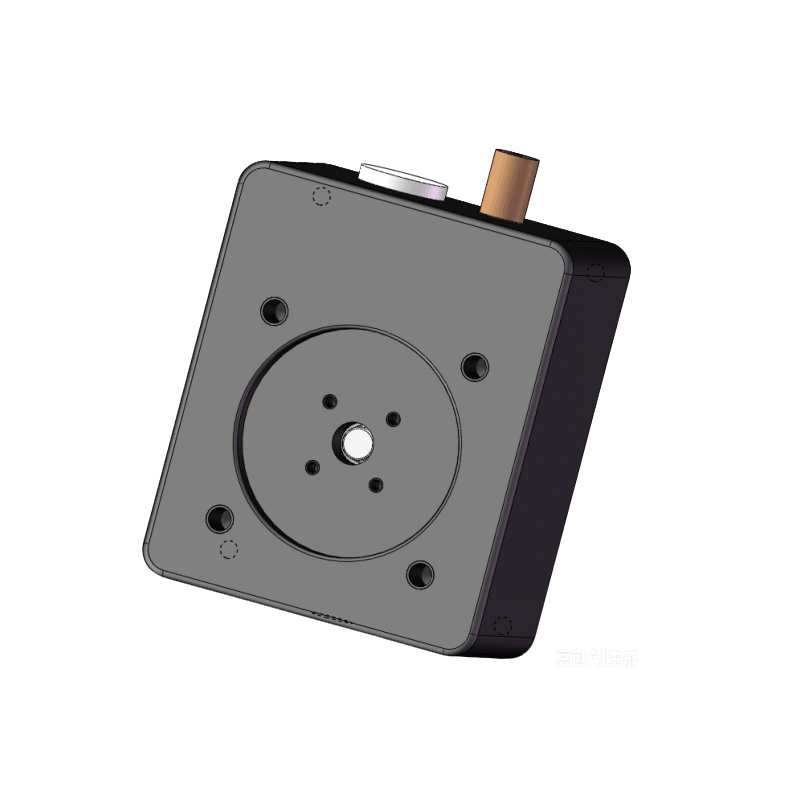
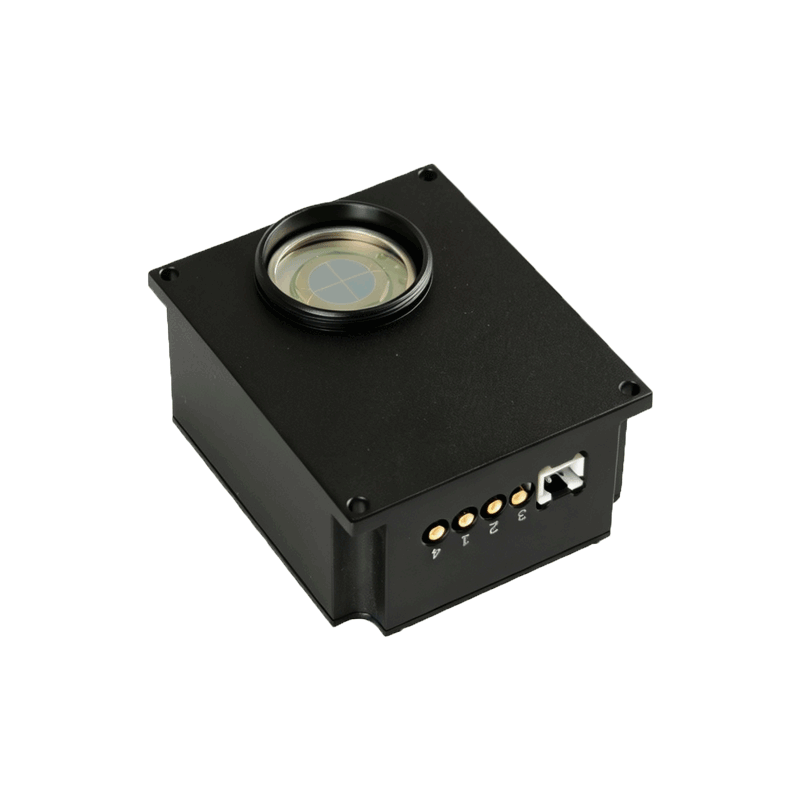
GHz-class free-space APD for space optical communication experiments, plus four-quadrant photodetectors for beam tracking, alignment and AOM/laser stabilization.
How to Choose an APD Module
- Building a Raman DTS receive path? DTS-APD dual-port InGaAs module (1000–1700 nm, up to ~150 MHz) — pair with NSFL-30 pulsed laser and DTS modules; see DTS Applications.
- Fiber-coupled weak-light detection (DVS/DAS/lab)? APD20 — choose Si (APD20A, 400–1000 nm, MM fiber) or InGaAs (APD20C, 1000–1700 nm, SM fiber); bandwidth from 10 MHz to 1 GHz depending on model suffix.
- Free-space bench setup (LiDAR, cage system)? APD430 (Si or InGaAs, 10–400 MHz) or APD430T when stable gain vs temperature is critical.
- UV / fluorescence at 355 nm region? APD12703 (300–1100 nm) or APD12702 (300–1000 nm) with 3 mm active area.
- 1064 nm LiDAR or aerosol radar? APD1064 or temperature-compensated APD1064T.
- Need balanced or PIN detection instead? See Balanced Photodetectors for interferometric DVS/DAS, or PIN Amplified Photodetectors when avalanche gain is not required.
What Are APD Photodetector Modules?
An avalanche photodiode (APD) provides internal gain via impact ionization, making it far more sensitive than a standard PIN photodiode for weak optical signals. YB Photonics APD modules integrate the photodiode, high-voltage bias, transimpedance amplifier (TIA) and often M-factor temperature compensation in a compact enclosure — outputting a voltage on SMA for oscilloscopes, DAQ cards or demodulation hardware.
Applications span DTS Raman reception (DTS-APD), fiber sensing receive paths (APD20), LiDAR and aerosol detection (APD1064 series), and general laboratory weak-light measurement (APD430/1270 series). Pair with our DTS systems, DAS modules and DAQ cards for complete sensing chains.
Key Specifications to Compare
| Parameter | Why it matters | Typical range in this category |
|---|---|---|
| Wavelength | Must match laser/signal band | 400–1000 nm (Si); 1000–1700 nm (InGaAs); 1064 nm enhanced |
| Coupling | Fiber system vs free-space optics | FC/APC fiber (APD20, DTS-APD); free-space (APD430, APD1270) |
| Bandwidth | Temporal resolution & DAQ match | 10 MHz – 1 GHz (model dependent) |
| NEP / sensitivity | Weakest detectable optical power | Sub-pW/√Hz class on high-gain models |
| Temperature compensation | Stable gain over ambient range | M-factor TC on APD20/DTS-APD; T-series (430T, 1064T) |
| Output | Interface to acquisition | 50 Ω SMA, DC-coupled, 9–12 V supply typical |
Frequently Asked Questions
- APD vs PIN photodetector — when do I need an APD?
- Choose APD when signals are very weak (nW or below) and internal avalanche gain improves SNR — typical for DTS Raman returns, long-range LiDAR and sensitive lab detection. PIN modules (PD series) suit stronger signals or when lower noise without avalanche multiplication is preferred.
- APD20 vs APD430 — what is the difference?
- APD20 is fiber-coupled (FC/APC) for fiber sensing and communication links. APD430 is free-space input for optical bench, cage systems and LiDAR — similar bandwidth tiers but different mechanical interface.
- Which APD for DTS Raman detection?
- DTS-APD is purpose-built: dual-channel, InGaAs, 1000–1700 nm, FC/APC — designed alongside DTS pulsed lasers and DAQ in Raman temperature systems. General APD20C can also work in custom DTS builds.
- Do modules include cables and power supply?
- YB Photonics typically ships APD modules with SMA–BNC RF cable and power adapter — confirm accessories when ordering. Most standard models are in stock for fast delivery.