- DAS Modules & Systems
- Fiber Optic Sensing DAQ Cards
- DTS Modules & Systems
- Fiber Optic Cable Locators & OTDR
- FBG Demodulators & Sensors
- Laser Modules for Sensing & Telecom
- Acousto-Optic Modulators (AOM)
- EDFA Fiber Amplifier Modules
- Optical Devices & Components
- APD Photodetector Modules
- PIN Amplified Photodetector Modules
- Balanced Photodetector Modules
- High-Speed Photodetector Modules
- Multi-Channel Photodetector Modules
- Biased Photodetector Modules
- Long-Wavelength Photodetector Modules
- Transimpedance Amplifier Modules (TIA)
- Photodiodes (PD Chips & Packages)
Products tagged with Lidar
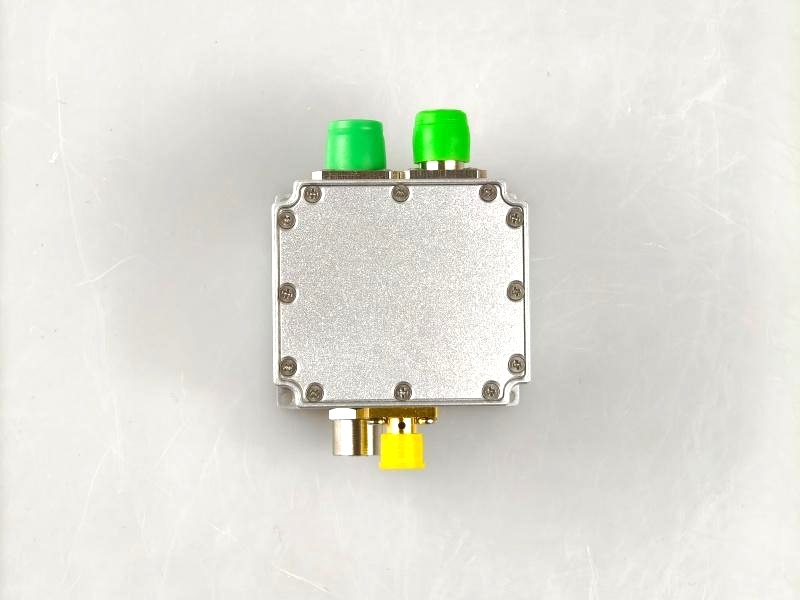
they are widely used in coherent detection applications for distributed fiber optic sensing, and in scenarios such as wind measurement radar.
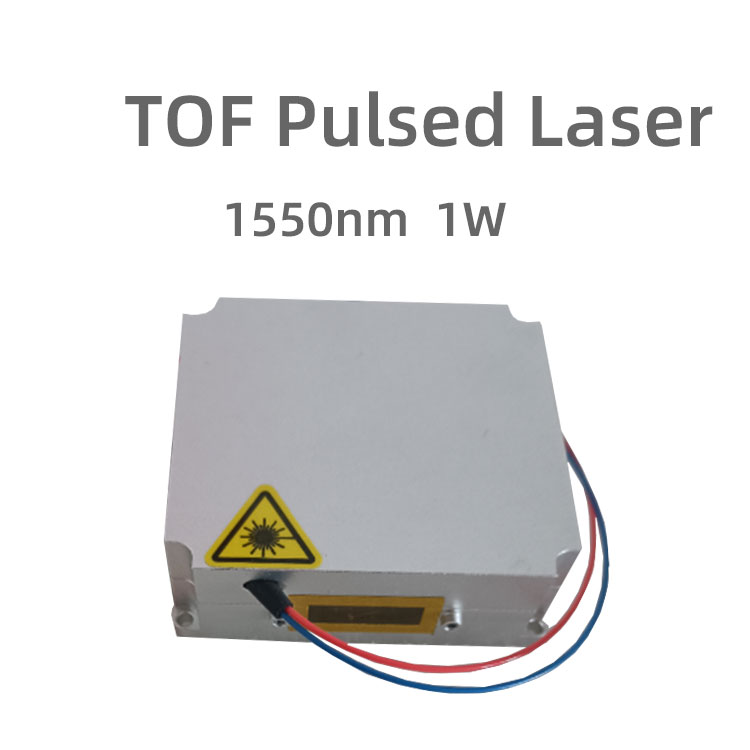
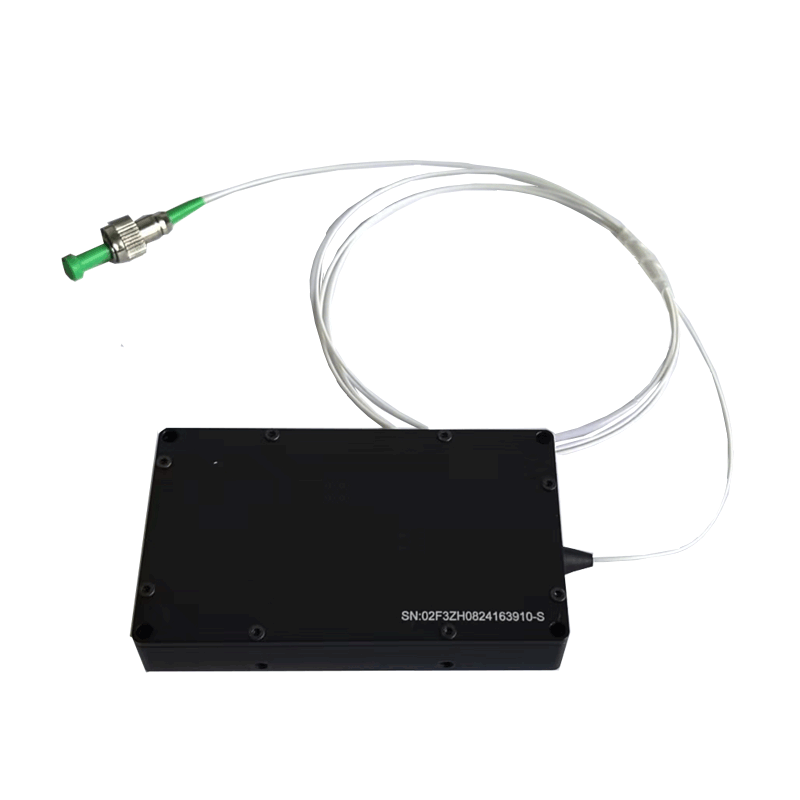
The YB-LASER-1550-1 is a human-eye safe 1550nm high peak pulsed laser that achieves kW-level peak power, ns-level pulse width laser output, and self-monitoring light, making it ideal for use as a TOF LIDAR emission source.
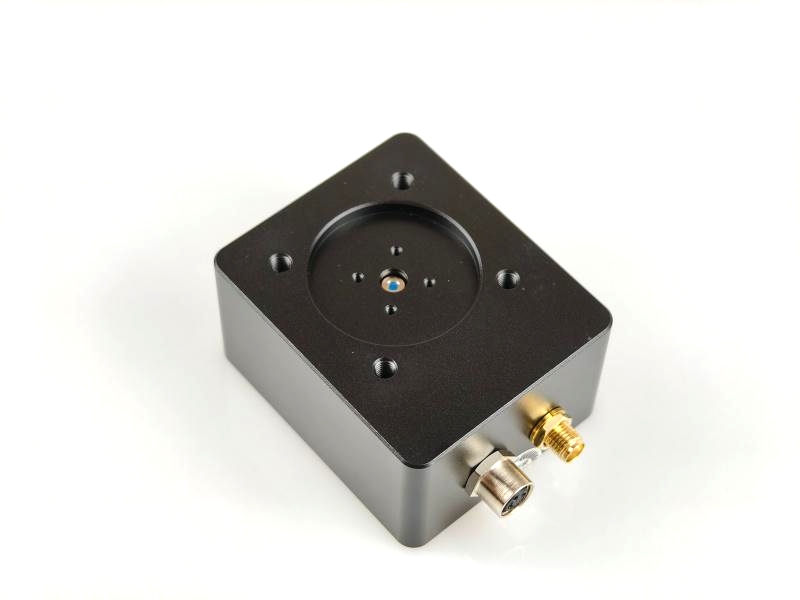
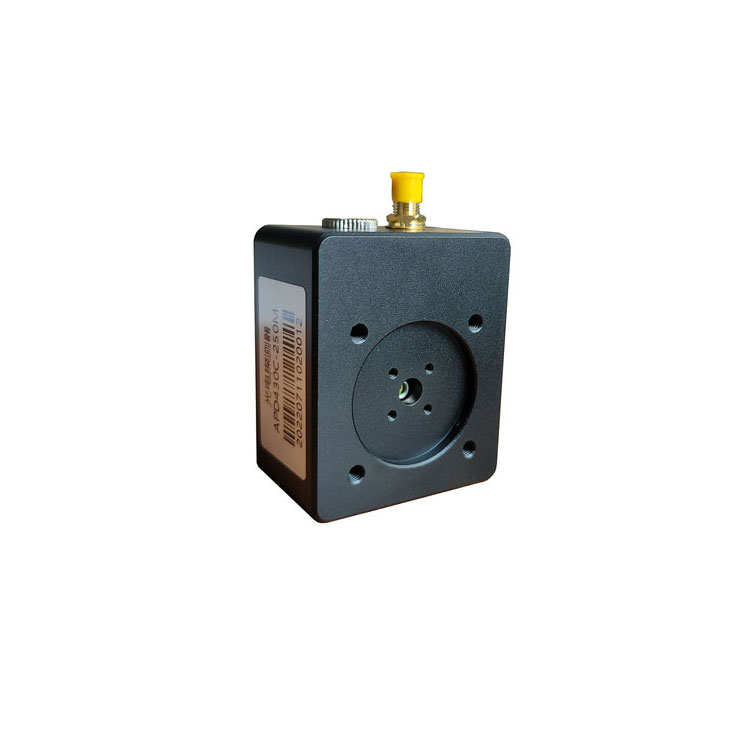
The detector is based on a silicon-based avalanche photodiode with 1064 nm enhanced response and high gain response for atmospheric aerosol radar
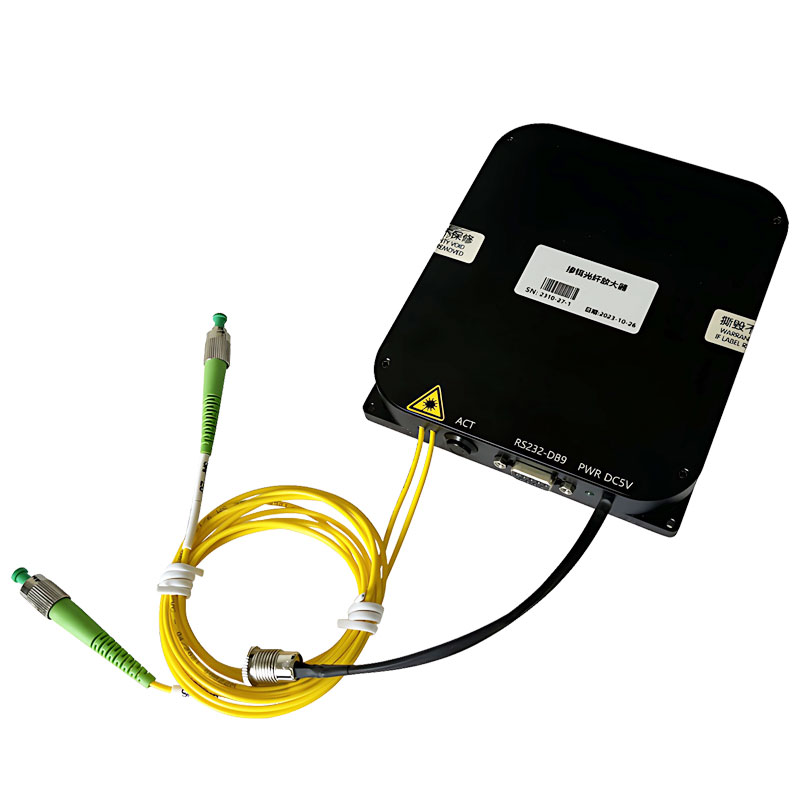
Small signal EDFA erbium-doped fiber amplifier is used to amplify weak light signals or as a preamplifier for weak light detection, and is widely used in fiber optic sensing systems and fiber optic communication network systems.
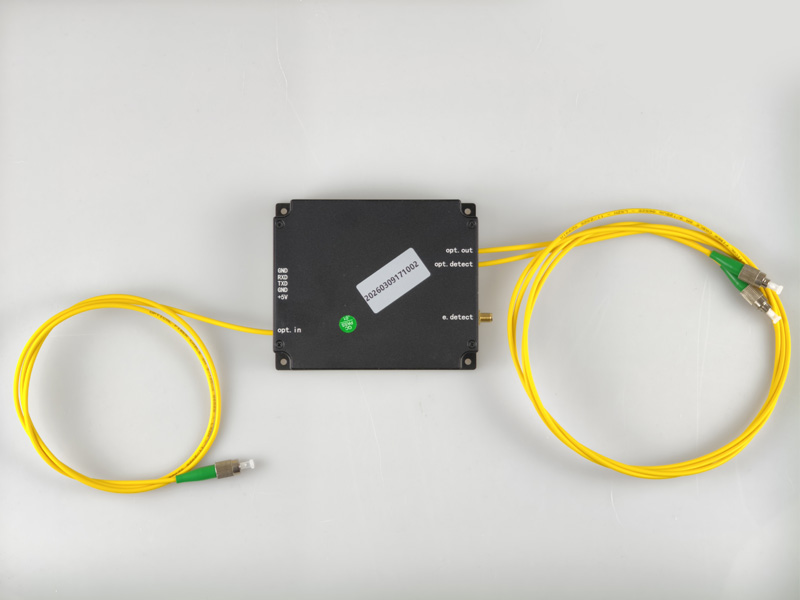
Pulsed EDFA erbium-doped fiber amplifier, C-band, commonly used after the acousto-optic modulator to achieve the amplification of pulsed optical signals, common in distributed fiber optic sensing systems, LIDAR and other applications.
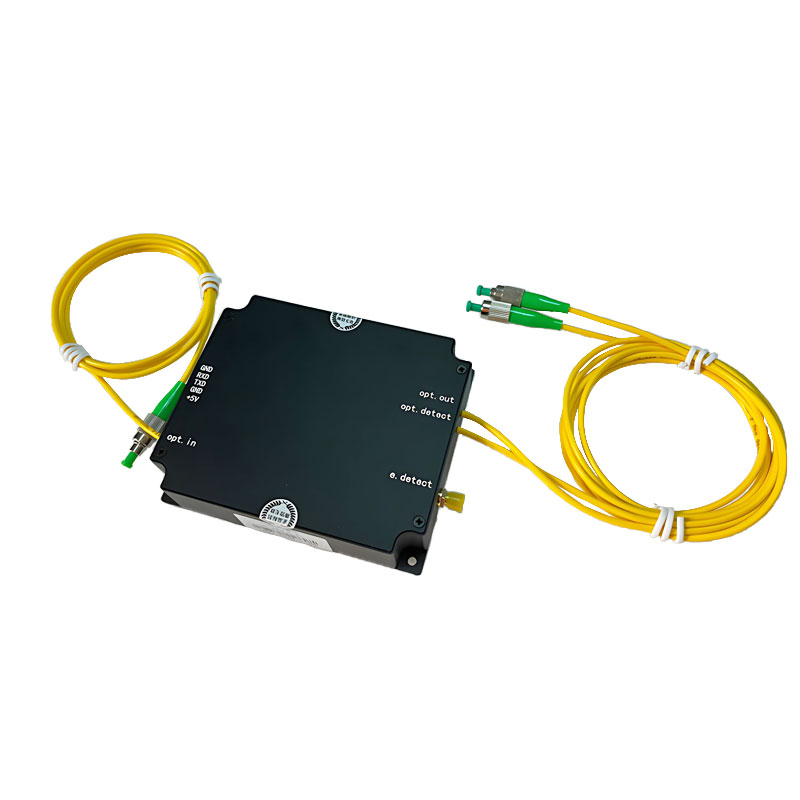
The module integrates both an EDFA erbium-doped fiber amplifier and a Raman fiber amplifier inside the module, which significantly reduces system complexity, increases reliability, and reduces size compared to conventional EDFA and Raman amplification systems. The front-end EDFA is available as a pulsed EDFA or an amplified EDFA suitable for ultra-long-range fiber optic sensing systems or high-speed fiber optic communication systems.
EDFA as a preamplifier for photoelectric detection applications to achieve the amplification of weak light signals can greatly avoid the introduction of noise. After amplification, a PIN-type photodetector is used to realize the photoelectric conversion. The PIN detector is simple in structure, more linear and more adaptable to temperature.
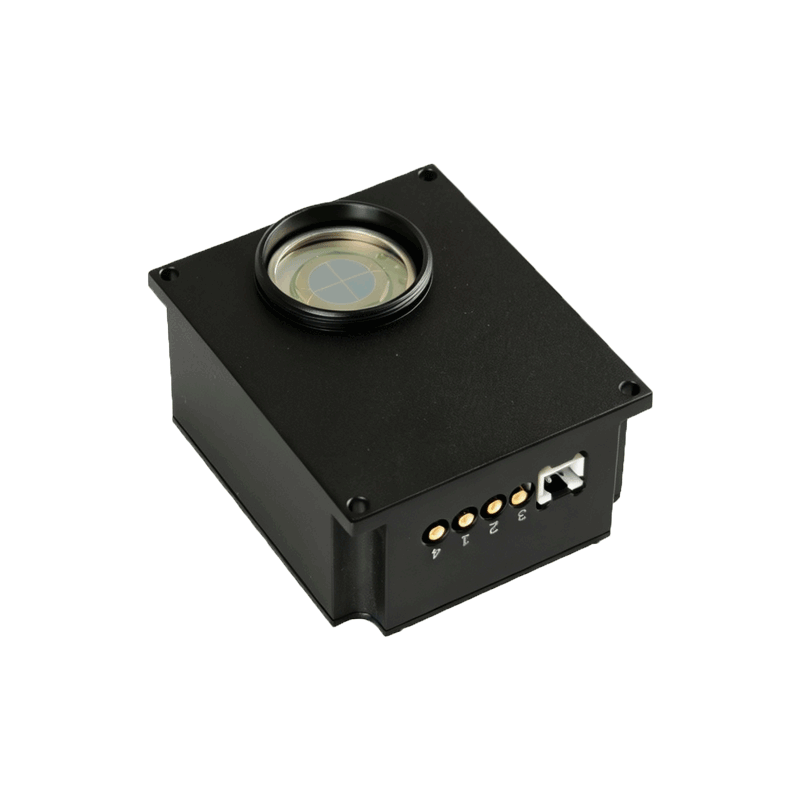
4-Quadrant Photodetector QPD100, suitable for laser APT tracking systems, lidar, maritime optical communications, laser guidance, beam stabilization systems, sun tracking, and optical alignment of acousto-optic modulators, among others
Lidar related contents